What HVAC Filters Do You Need in the Summer?
What HVAC Filters Do You Need in the Summer?
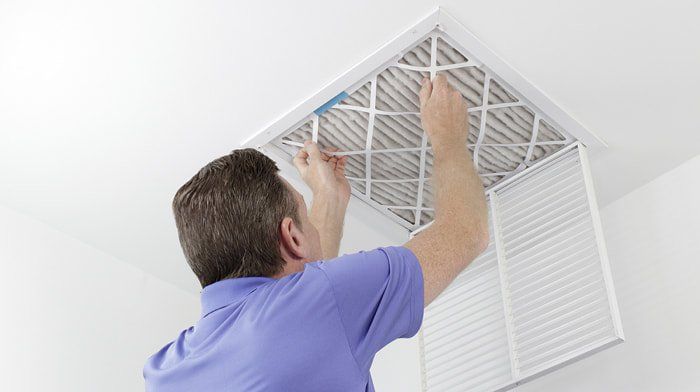
As summer comes into full swing, homeowners depend on their HVAC systems to get through the hottest months of the year. Part of getting prepared is picking up replacement HVAC filters to keep air quality and comfort up and energy bills down. Air filters aren't all interchangeable, however, and the filter you choose can make a difference for your HVAC unit's performance. Here is some information on your options to help you stay on top of your AC's maintenance.
Factors to Consider During Summer
Summer is when your AC system is tested the hardest, so replacing air filters becomes extremely important. Consider
- Air circulation increases as your AC works harder.
- Particles remain suspended in the air longer.
- More air passes through the filters, bringing more airborne particles.
- A clogged air filter increases strain on your AC, using more energy and increasing the wear on its components.
The right filter can make or break your summer. Stay on top of
AC maintenance by using the right air filters and you can avoid costly repairs.
Comparing HVAC Filters
A filter's Minimum Efficiency Reporting Value (MERV) quantifies its porosity and how many contaminants it filters. The scale goes from 1 to 16, with higher MERV meaning more particles filtered. Home air filters generally range from 4 to 13 MERV.
HVAC filters use different materials and are made in varying thicknesses, but they can be grouped into a small set of categories, each having its own impact on air quality.
Fiberglass filters (1-4 MERV):
- These inexpensive disposable filters are useful for protecting sensitive HVAC components with minimal airflow restriction. However, airborne contaminants that present health issues tend to be smaller than what these filters can catch, so these don't help much with allergies or respiratory problems.
Pleated paper or polyester filters (5-8 MERV):
- The pleated design of these filters enable them to catch particles of a wide range for substantially better air quality. Some filters are infused with anti-microbial agents or carbon to remove odors. However, pleated filters are often more expensive than other options.
Electrostatic filters (3-10 MERV):
- These filters use a mix of cotton and paper fibers to create static that traps dust, dirt and other contaminants. They're highly effective at capturing smaller particles, but larger and heavier particles like mold spores get through more easily. Still, electrostatic filters do good work at a reasonable price.
UV filters:
- These powered filters require more work to install and, because of how they function, aren't effective against inorganic pollutants. However, UV filters provide exceptional protection from bacteria, viruses and spores.
HEPA filters (11+ MERV):
- High-efficiency particulate air filters catch nearly everything from dust and bacteria to pollen and pet dander, offering the highest protection for people with respiratory ailments. HEPA filters don't handle odors and fumes, though. Also, they're expensive and incompatible with most typical HVAC systems, often restricting air flow in systems not made for them.
Conclusion
For most households, pleated or electrostatic filters do the trick without straining the AC unit too much. As unrestricted air flow is vital to keeping cool in the summer, these are substantially more valuable for regular use than HEPA filters. Other factors, such as the health of your family or the presence of pets, will also influence the ideal choice of filter. For more information on getting the most out of your HVAC system this summer, contact us at Next Level HVAC for HVAC service in the Sonoma and Marin Counties.
Share
More Posts That Might Interest You