Furnace Repair vs. Replace: A Sonoma County Homeowner Guide
Furnace Repair vs. Replace: A Sonoma County Homeowner Guide
Another furnace repair bill doesn't have to mean guessing. The decision comes down to a few concrete factors: the system's age, how often it's been repaired, comfort and safety symptoms, and a simple cost comparison between the repair and a full replacement. Homeowners who weigh these together, rather than reacting to a single bad week, make the call with a lot more confidence.
Key Takeaways
- Most furnaces last 15 to 20 years, but maintenance history and home factors like duct leakage can shorten that
- Simple, low-cost repairs (igniters, sensors, thermostats) are usually worth doing on an otherwise healthy system
- Warning signs like short cycling, repeated repairs, and a yellow burner flame point toward replacement
- If a repair costs close to half the price of replacement, it's time to compare both paths seriously
- Regular maintenance makes the repair-or-replace decision clearer by catching problems early instead of letting them stack up
Furnace Lifespan Guide: When to Repair vs. Replace in Sonoma County
When a furnace keeps needing repairs, it can be hard to know whether one more fix is still worth it. This guide covers how Sonoma County homeowners can think through furnace repair or replacement before choosing their next step.
Getting another furnace repair bill can make any homeowner pause. Do you fix the system and hope it lasts, or do you stop paying for repairs and replace it?
There isn't one answer for every home, but clear signs can help you choose the next step with more confidence. When you're looking at furnace repair vs. replace options, it helps to separate a one-time issue from a system that is becoming unreliable. Learning about a typical furnace's lifespan, repair patterns, and comfort changes makes the decision feel a lot less overwhelming.
How Long Does a Furnace Usually Last in Sonoma County?
Most furnaces last about 15 to 20 years when they're installed correctly and maintained well. Some systems can run longer, but looking at age alone doesn't tell the whole story. A 12-year-old furnace with poor maintenance may act older than an 18-year-old system that has been serviced every year.
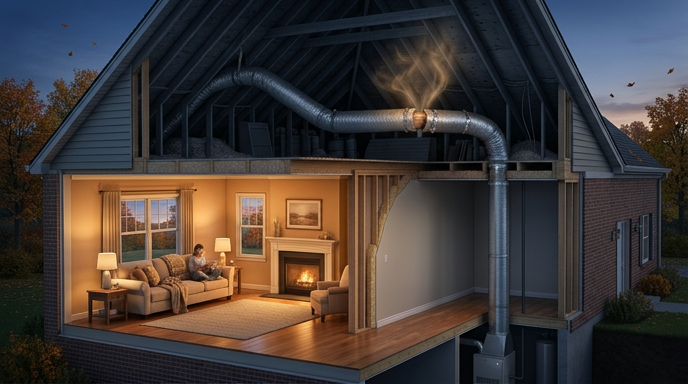
Living in an older Sonoma County home may also mean the furnace is working against the house itself. Duct leakage, weak insulation, or poor airflow can all add strain. That extra strain can shorten the heating system lifespan.
If your system is still heating evenly and only needs the occasional minor fix, repair may be reasonable. But if you're calling for furnace service every season, age starts to matter more.
What Furnace Problems Are Usually Worth Repairing?
Some furnace problems sound worse than they are. A repair may solve the problem when the issue is a bad ignitor, dirty flame sensor, thermostat trouble, or a clogged filter. If the furnace is newer and the repair cost is modest, a repair can buy you several more reliable years.
Choosing repair also makes sense when the rest of the system is in good condition. For example, if the heat exchanger, blower motor, and burners are still solid, replacing one small part may be the most practical choice.
When you're deciding whether a furnace repair is worth it, look at the repair in context. One repair on an otherwise dependable furnace is different from the third repair in two winters. The type of part also matters. Replacing a small sensor is not the same as putting major money into an older system with several worn components. Pattern matters more than one bad week.
What Furnace Warning Signs Point Toward Replacement?
You may need to think more seriously about furnace replacement when problems keep coming back or your comfort keeps getting worse. If your furnace runs constantly but rooms still feel cold, the system may be losing performance. If your gas bill climbs, the furnace may be working harder to produce the same heat.
Watch for these common warning signs:
- Uneven heat from room to room
- Short cycling, where the furnace turns on and off too often
- Repeated repairs within a short period
- Unusual smells, rattling, banging, or weak airflow
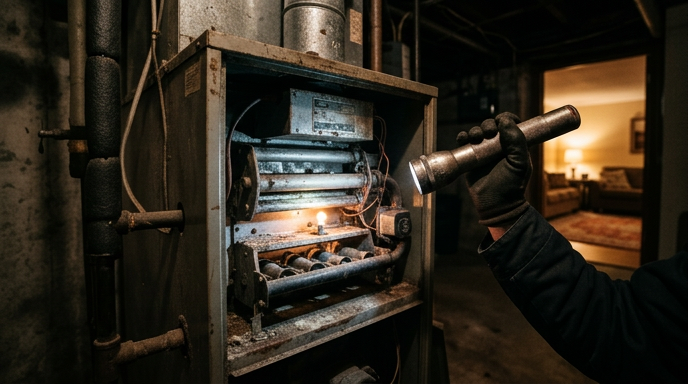
- A yellow burner flame instead of a steady blue flame
A yellow flame can point to a combustion issue, so don't ignore it. Turn the system off and have it checked before using it again.
How Should You Compare Furnace Repair or Replacement Costs?
When comparing furnace repair and replacement costs, look at both the price of the immediate repair and the condition of the system as a whole. If one repair costs less than a few hundred dollars and the furnace isn't too old, repair may be the right call. If the repair is expensive and the furnace is already near the end of its lifespan, replacement may save you from repeat costs.
A simple cost-threshold rule can help you compare the options. If a repair is close to half the cost of replacement, it's time to compare both paths.
This is similar to how many homeowners think through an AC repair or replacement decision. You aren't only paying for equipment. You're paying for steadier comfort, better efficiency, and fewer surprise breakdowns.
Why Does Furnace Maintenance Change the Decision?
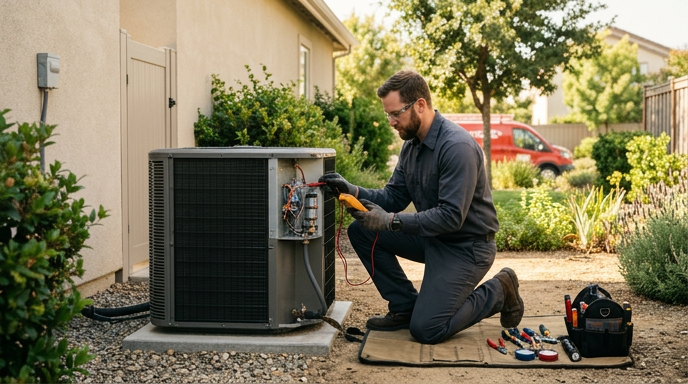
Keeping up with maintenance can extend the life of a furnace because small issues get caught early. During a tune-up, a technician can clean key parts and check airflow. They can also test safety controls and look for early wear. That gives you a clearer picture before the system fails on a cold morning.
Annual November HVAC maintenance is especially useful before heavier heating demand begins. It can also help you avoid replacing a furnace too early because you'll know whether the system is actually failing or just overdue for service.
If your furnace has had steady maintenance, repair may be easier to justify. If it has been neglected for years, hidden wear can stack up.
When Is Furnace Replacement the Better Long-Term Choice?
You may be better off choosing furnace replacement when the system is old or unsafe. Replacement can also make sense when efficiency and reliability keep slipping. A new system can heat more evenly, run more quietly, and use less energy than an older unit. It can also be sized for your home instead of forcing you to work around a poor fit.
Proper sizing matters because a furnace that is too large may cycle on and off frequently, while one that is too small may struggle to keep the house comfortable. Before replacement, a technician should look at how the home is built and how it holds heat. Square footage matters, but so do insulation, windows, ductwork, and the actual heating load.
Replacement also reduces the stress of wondering whether the furnace will make it through another season. That peace of mind has value when past repairs have already made you question the system every time temperatures drop.
If you decide replacement is the right path, financing options can make the cost easier to plan around instead of delaying needed work.
Get Furnace Repair or Replacement Guidance From Next Level HVAC
Next Level HVAC helps Sonoma County homeowners decide whether to repair or replace their furnace by looking at the whole picture. That includes system condition, comfort concerns, and likely long-term cost. Our team can explain what a repair is likely to solve and when replacement may be the more practical option.
If your heating system keeps breaking down or you're weighing another repair bill, call Next Level HVAC to ask about the possibility of getting a furnace replacement so a technician can guide you on what's possible.
Share
More Posts That Might Interest You