Beat Peak-Hour Electricity Rates This Summer in Sonoma County
Beat Peak-Hour Electricity Rates This Summer in Sonoma County
Sonoma and Marin County homeowners on PG&E time-of-use plans don't have to trade comfort for a lower bill. By pre-cooling earlier in the day and letting the temperature drift slightly during peak hours, homeowners can shift more of their AC's workload to cheaper electricity windows. The article also flags a useful diagnostic: if the AC still runs nonstop during peak hours despite a smart schedule, that's often a sign of a sizing, airflow, or maintenance issue worth a professional look.
Key Takeaways
- Time-of-use rates make late afternoon and evening AC use more expensive, so shifting cooling earlier in the day can lower summer bills.
- Pre-cooling the home before peak hours, then letting the temperature rise a few degrees, reduces how hard the AC works when rates are highest.
- A programmable or smart thermostat makes it easier to automate a peak-hour-friendly schedule without constant manual adjustment.
- Simple habits like closing blinds, running appliances off-peak, and replacing dirty filters help a healthy AC system work more efficiently.
- An AC that runs constantly during peak hours regardless of scheduling may point to a sizing, airflow, or maintenance problem rather than just the rate structure.
You don't have to choose between a cool house and a high electric bill. A better cooling schedule can help your AC do more of its work when electricity costs less.
August cooling bills can feel frustrating in Sonoma and Marin County, especially if your home is on a time-of-use rate plan. The good news is that saving money doesn't have to mean sweating through dinner. With the right thermostat schedule and a few simple habits, you can shift some cooling to lower-cost hours while still keeping your home comfortable.
Why Do Time-of-Use Rates Increase Summer Cooling Costs?
Time-of-use rates charge different prices depending on when you use electricity. On many PG&E residential plans, late afternoon and evening hours cost more because demand is higher. That's also when many homes are using air conditioning, cooking dinner, running appliances, and charging devices.
This doesn't mean you should turn off the AC when it's hot. It means you should pay attention to when your system runs the most. If your AC does its hardest work during peak pricing hours, your bill can rise even when the thermostat is set to a reasonable temperature.
Homeowners can often lower summer cooling costs by moving some of that cooling earlier in the day. The idea is simple: cool the house before the expensive window, then ease up while rates are higher.
How Does Pre-Cooling Help Lower Peak-Hour AC Use?
Pre-cooling means lowering your home's temperature during lower-priced hours, usually in the morning or early afternoon. Once the house is cool, you let the thermostat rise a few degrees during peak hours instead of forcing the system to fight the hottest part of the day.
For example, you might cool your home a little more before peak pricing begins, then raise the thermostat during the late afternoon and early evening. The best temperature settings depend on your comfort, health needs, insulation, AC system, and how quickly your home heats up.
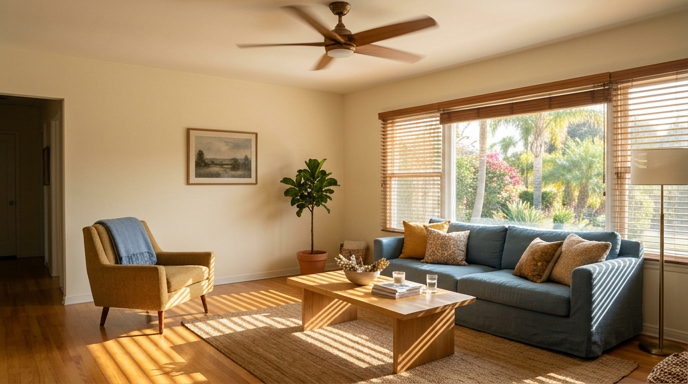
This works best when the home can hold cool air. Closing blinds, using ceiling fans correctly, and avoiding heat-producing chores during peak hours can support your cooling system without asking it to run nonstop.
What Thermostat Schedule Works Best During Peak Rates?
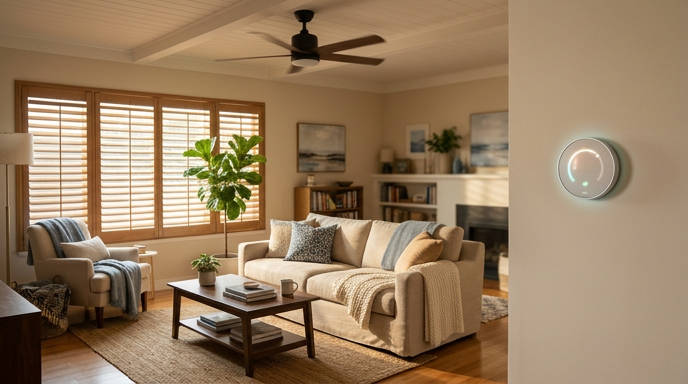
Using a smart or programmable thermostat can make it easier to shift more cooling to lower-priced hours. You can set a schedule that cools the home before peak hours, raises the temperature a few degrees during the expensive window, and then returns to your preferred setting later.
The schedule should feel realistic. If you set the temperature too high during peak hours, you may get uncomfortable and override it. If you set it too low in the morning, your system may run more than needed.
Try adjusting the thermostat by two or three degrees during peak hours and see how the house feels. A fan may also help you feel cooler at a higher thermostat setting, and running a fan usually costs much less than running the AC harder.
How Can You Keep Your Home Cooler Without Overworking the AC?
Small changes around your home can reduce heat gain, which is the heat that enters or builds up indoors. That means your AC has less work to do during the most expensive hours. Try these simple steps:
- Close blinds or curtains on sunny windows before the afternoon heat builds.
- Run dishwashers, dryers, and ovens outside peak hours when possible.
- Use ceiling fans only in occupied rooms to help people feel cooler.
- Replace dirty air filters so airflow doesn't get restricted.
These steps won't fix a struggling HVAC system, but they can help a healthy one work more efficiently. During a stretch of extreme heat, the same habits also support good heat wave AC performance.
When Do High Cooling Bills Point to an AC Problem?
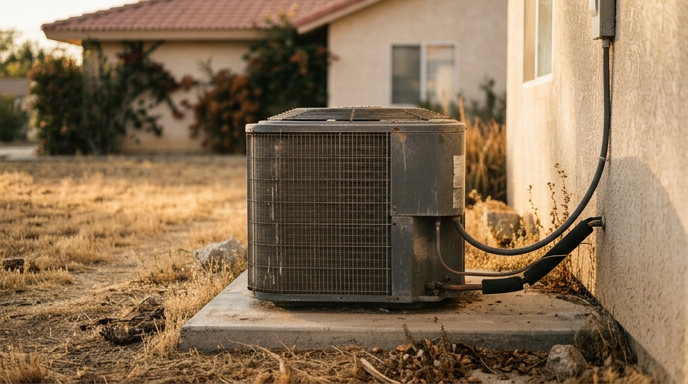
Sometimes high cooling bills aren't caused only by time-of-use rates. If your AC runs constantly, cannot reach the temperature you set, cools rooms unevenly, or starts making new noises, it may need maintenance or repairs.
Dirty coils, low refrigerant, weak electrical parts, clogged filters, and poor airflow can all make an AC run longer than it should. The system may also be too small or too large for the home. When an AC is the right size, it should cool more steadily and control humidity better than a mismatched system.
If your bill rises sharply whenever the weather gets hot, look at both when you use electricity and how well your AC is working. The best way to save combines lower-cost cooling times with an efficient system that can keep up with the heat.
How Can Next Level HVAC Help With Peak-Hour Cooling Problems?
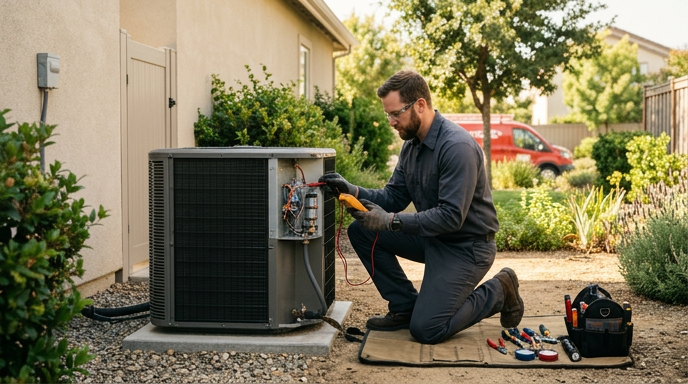
Next Level HVAC can inspect your AC, check airflow, test key components, and help you understand whether your system is wasting energy during peak hours. If your cooling schedule is smart but your AC still runs nonstop, don't wait for a full breakdown.
Schedule professional AC service with Next Level HVAC and get a clear plan for staying comfortable while controlling summer cooling costs.
Share
More Posts That Might Interest You