Indoor Air Quality After Wildfire Season: Fall HVAC Prep

Indoor Air Quality After Wildfire Season: Fall HVAC Prep
When fire season ends and heating season starts, your furnace begins moving air through a system that has been collecting smoke particles and dust for months. A few checks before the first heat cycle help you start the season with cleaner air and better airflow: a fresh filter, clear vents, and attention to any odors that linger. Most homes need nothing more than that. When airflow stays weak or dust keeps coming back, an inspection can find the cause before you decide on duct cleaning or any other service.
Key Takeaways
- Replace a dark or dust-loaded filter before the first heat cycle. Check its size and install it with the airflow arrow pointing the right way.
- The EPA recommends MERV 13 for wildfire smoke, or the highest rating your blower and filter slot can handle without restricting airflow.
- A little dust on a vent doesn't mean you need duct cleaning. Dust that comes back quickly, debris coming out of supply vents, or weak airflow after a filter change are worth an inspection.
- Check your filter more often during heating season. Smoke exposure, pets, and remodeling dust all shorten filter life.
Closing your windows during wildfire season and turning on the furnace as fall cools can change how air moves through your home. A few indoor air quality checks can make that transition easier, especially if smoke or dust buildup has affected airflow.
The transition from wildfire season to cooler fall weather can create new indoor air quality concerns for Sonoma County homeowners. Before you turn on a furnace that has been sitting unused for months, a few simple HVAC checks can help you start the heating season with cleaner air and better airflow after months of smoke and dust buildup.
How Wildfire Season Affects Fall Indoor Air Quality
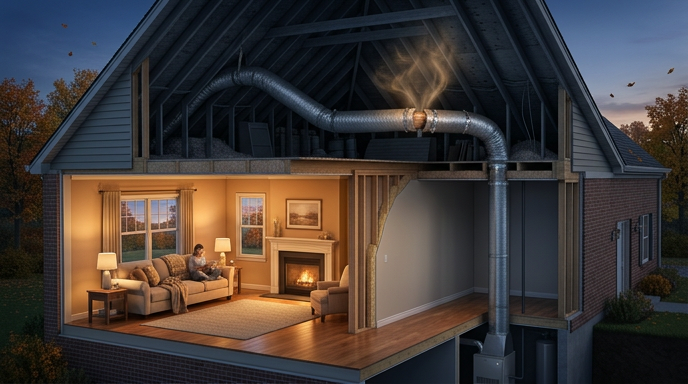
During smoky weather, keeping doors and windows closed can reduce the amount of outdoor air entering your home. Small particles can still get inside when doors open or through gaps in the home, and ventilation may bring some outdoor air in as well. Your HVAC filter may capture part of that material while dust continues to settle indoors.
When you switch to heat, the blower starts moving air through the system again. The furnace doesn't create wildfire smoke, but it can move dust and particles that settled near returns and registers or inside accessible duct surfaces. Preparing your HVAC system for cooler weather should include an indoor air quality check, not only a heating test.
This transition can also reveal problems that were less obvious while the system was off. Weak airflow may be the first clue. A dirty filter can make the problem worse, and an odor that continues after the first cycle also deserves attention.
Do These Air Quality Checks Before the First Heat Cycle
Begin at the filter. If it looks dark or heavily loaded with dust, replace it before running the furnace for the season. Do the same if wildfire smoke has clearly affected it. Use the correct dimensions and install it with the airflow arrow pointing in the direction shown on the filter slot or equipment.
Next, vacuum dust around return grilles and supply registers without pushing debris deeper into the ducts. Move furniture and rugs away from vents. These simple steps help the system pull in and deliver air without avoidable blockages.
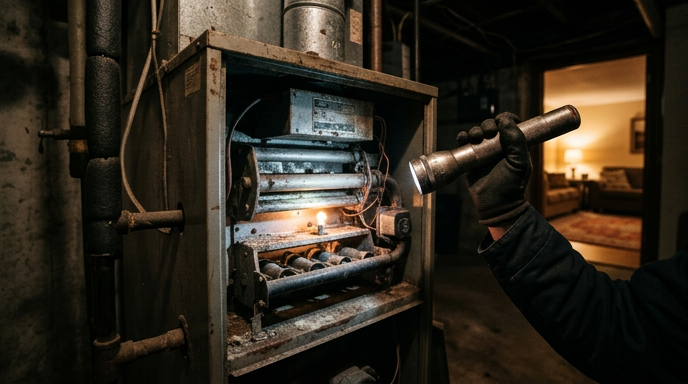
Then inspect the furnace area for stored items and confirm that carbon monoxide alarms are working. If the furnace doesn't start normally, turn it off instead of repeatedly resetting it. A strong burning or fuel odor also calls for professional furnace service, and a carbon monoxide alarm means you should leave the home and follow the alarm manufacturer's safety instructions.
Which HVAC Filter Is Best After Wildfire Smoke
MERV tells you how efficiently a filter captures particles. For wildfire smoke, the U.S. Environmental Protection Agency recommends a MERV 13 filter, or the highest rating your system fan and filter slot can accommodate. A higher-rated filter is not always better if your system cannot move air through it properly.
Don't assume the thickest or highest-rated filter is automatically right for your home. Check the equipment guidance or ask an HVAC technician what the blower and filter cabinet can support. A filter that restricts too much air may reduce comfort and put added stress on the system.
Fit matters too. Air can move around a filter that is too small or bent into place. A properly fitted filter should sit securely in the slot without gaps that let unfiltered air bypass it.
When Ducts and Vents Need Attention
A light layer of dust on a vent does not mean the entire duct system needs cleaning. Start by cleaning the register and watching whether dust returns quickly. Heavy buildup that comes back soon deserves more attention. Particles coming from supply vents are another concern. Moisture or pest activity near duct openings also deserves attention. If airflow remains weak after a filter change, an inspection may be worthwhile.
Dirty filters and damaged ducts can reduce airflow and allow particles to circulate through the home. If you notice one of these problems, an inspection can identify the cause before anyone recommends duct cleaning or another service.
Duct cleaning is not a routine answer for every home. The EPA recommends cleaning ducts as needed rather than on a set schedule. An HVAC professional can start with the filter and blower area, then check duct condition and airflow before deciding whether cleaning or another repair is warranted.
How to Keep Indoor Air Cleaner During Heating Season
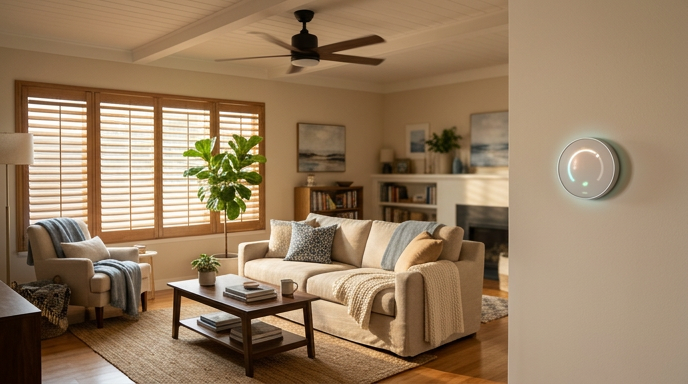
Check the filter regularly instead of relying on one change each year. Smoke exposure can shorten filter life. Pets and remodeling dust can do the same, especially during periods of heavy HVAC use. Follow the filter maker's guidance and inspect it sooner when conditions have been unusual.
Use a well-sealed vacuum to keep settled dust under control. Kitchen and bathroom exhaust fans can help remove moisture and pollutants at the source. A properly sized portable air cleaner may also help in one room, but it does not replace needed HVAC repairs or source control.
If you want help choosing filtration or understanding how your system affects indoor air, professional air quality services can connect the recommendation to your equipment and home rather than offering a one-size-fits-all product.
Get Help With Fall Indoor Air Quality
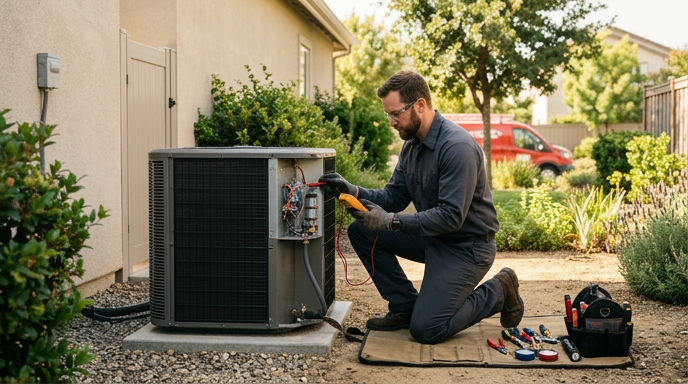
Moving from wildfire season into heating season is a good time to start with the filter and vents, then pay attention to airflow and furnace performance. Sometimes a filter change is enough. Other systems need an airflow or duct inspection. Depending on what our team at Next Level HVAC finds, an indoor air quality upgrade or furnace service may make more sense.
If the first heat cycle brings weak airflow or lasting odors, pay attention. Visible debris is another reason to have the system checked. Send a service request to Next Level HVAC for clear guidance based on your home and system.
Share
More Posts That Might Interest You