Heat Wave AC Tips for Sonoma County Homeowners
Heat Wave AC Tips for Sonoma County Homeowners
During a Sonoma County heat wave, longer AC run times are often normal, not a sign of trouble. The right thermostat settings, simple maintenance checks, and awareness of real warning signs help homeowners keep their system running efficiently without unnecessary strain or service calls.
Key Takeaways
- Setting the thermostat around 78°F when home, and a few degrees higher when away, helps the AC cool steadily without overworking
- Cranking the temperature lower doesn't speed up cooling, it just increases run time and wear
- Clearing debris from the outdoor condenser and checking filters monthly keeps airflow and efficiency where they should be
- Warm air, weak airflow, short cycling, or new noises are signs that call for professional service, not just heat-related strain
- A calm, honest read on system performance helps homeowners avoid both unnecessary repairs and unnoticed problems
During a Sonoma County heat wave, your AC has to work harder than usual. The right thermostat habits, airflow checks, and warning-sign awareness can help you stay cooler without putting extra strain on your system.
When Sonoma County temperatures climb into the 90s or higher, even a healthy air conditioner can run longer than usual. That doesn't always mean something is wrong with your unit. The key is knowing how to help your AC work efficiently, what performance is normal during extreme heat, and which warning signs deserve professional attention.
Why Does AC Performance Drop During a Heat Wave?
To cool your home, your AC pulls heat from indoor air and releases it outside. When outdoor temperatures are extremely high, the outdoor unit cannot release that heat as quickly, so the system may need to run longer to reach the temperature on the thermostat.
Longer run times can be normal during a heat wave. If cool air is still coming from the vents and your home is staying reasonably comfortable, the system is probably doing its job. The trouble starts when the AC runs nonstop yet the house keeps getting hotter, or when some rooms stay much warmer than others.
An AC that's the right size for your home should steadily cool your house even on hot days. If your unit has always struggled with uneven temperature in rooms, short cycling, or humidity, you may have an issue with the unit.
What Thermostat Setting Helps Your AC During Extreme Heat?
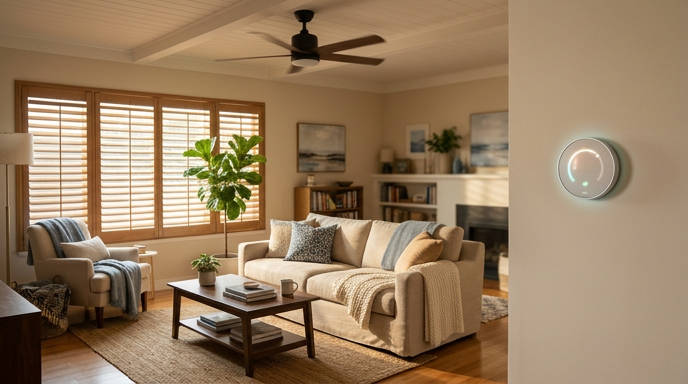
A good heat wave thermostat setting is usually around 78°F when you're home, then a few degrees higher when you're away. That may feel warmer than your usual setting, but it gives your AC a target it can actually reach without running itself into the ground.
Cranking the thermostat down to 68 won't cool your house faster. Your AC cools at the same pace either way. A lower setting just keeps the system running longer, which raises energy use and increases wear.
Try to avoid big temperature swings during the day. If your home gets very hot while you're away, your system has to work harder to pull it back down later. A programmable or smart thermostat can help you make smaller, steadier adjustments to the indoor temperature instead of asking the AC to recover all at once when you get home.
How Can You Reduce Indoor Heat So Your AC Runs Better?
Some of the best heat wave AC tips start inside the house. Your home lets in heat through windows, appliances, gaps, and everyday habits. Reducing that heat load gives your AC a better chance to keep up.
During the hottest part of the day, focus on doing simple things to keep the house cool:
- Close blinds or curtains on sunny windows.
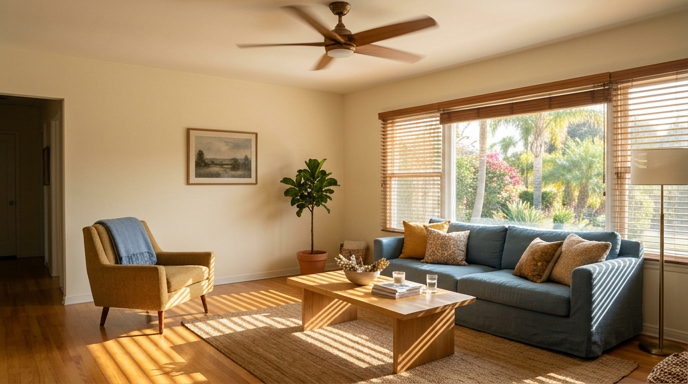
- Use ceiling fans to help rooms feel cooler.
- Avoid running the oven, dryer, or dishwasher midday.
- Keep interior doors open so air can move freely.
- Make sure supply vents aren't blocked by furniture or rugs.
Ceiling fans don't lower the actual room temperature, but they help sweat evaporate from your skin, which can make the room feel more comfortable. Just turn fans off when you leave a room so they aren't wasting electricity.
How Do Filters and Outdoor AC Maintenance Improve Cooling?
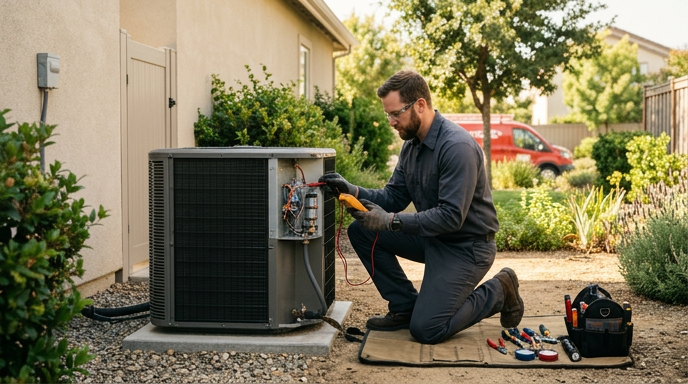
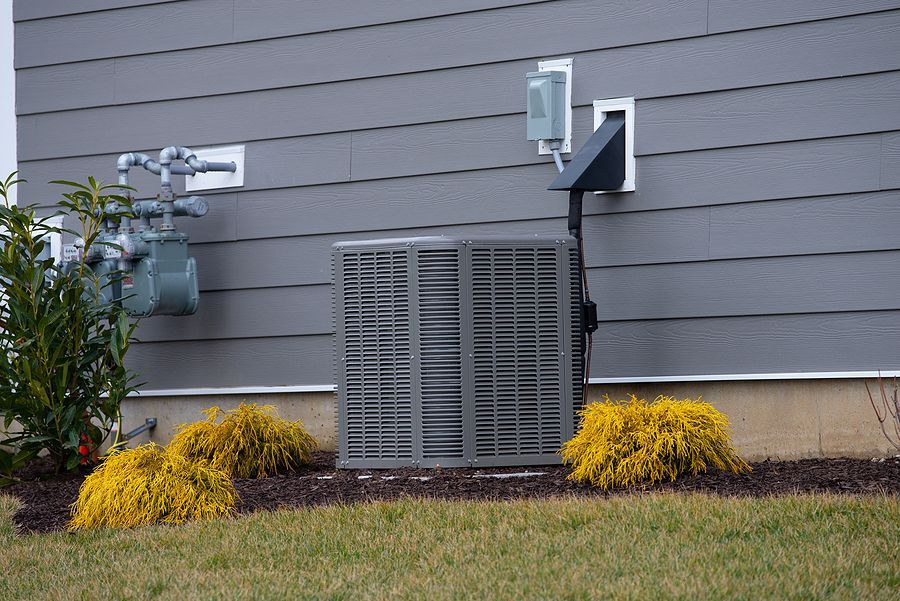
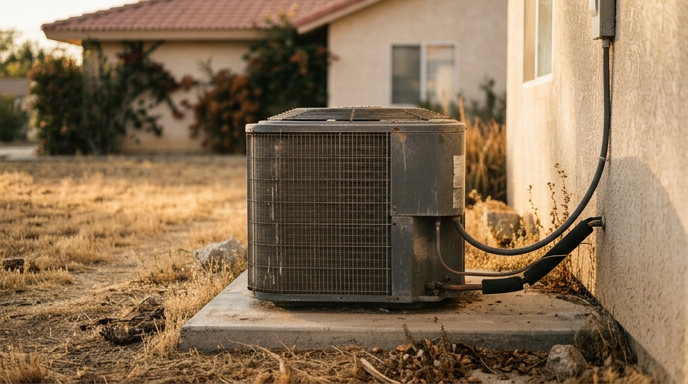
Your outdoor condenser needs airflow to release heat. If the area around it is packed with leaves, weeds, grass clippings, or stored items, you may start to have issues with your air conditioner.
Walk outside and look around the unit. Clear away loose debris and trim plants back so air can move around the cabinet. Don't cover the unit tightly or box it in with shade structures. Shade can help if it's designed well, but blocked airflow hurts performance more than direct sun does.
Check your air filter once a month. A dirty filter restricts airflow through the system, which can cause weak cooling, frozen coils, or longer run times. Regular air filter maintenance checks are one of the simplest ways to catch these issues before a heat wave.
When Do AC Warning Signs Mean You Need HVAC Service?
Not every change in air conditioner performance means something is wrong. Call for AC service if you notice any of the following:
- Warm air from the vents
- Weak airflow
- Burning smells
- Loud grinding or rattling noises
- Ice on the refrigerant line
- The system turning on and off too often
These problems can come from issues like low refrigerant, dirty coils, electrical trouble, duct leaks, or a failing blower motor. If your AC is older and the same problems keep happening, it may be time to talk about whether AC replacement makes more sense than another repair.
Need Sonoma County AC Help Before the Next Heat Wave?
Next Level HVAC helps Sonoma County homeowners keep their cooling systems running as reliably as possible when the weather gets hot. We'll tell you when a repair makes sense, when replacement is worth discussing, and what you can do to protect your system between visits.
Our team is here to give you a straight answer, not a scare tactic. Schedule AC service with Next Level HVAC today so your home is ready before the next heat wave puts your system to the test.
Share
More Posts That Might Interest You