Heat Pump vs. Furnace: Which Is Better for Northern California Homes?
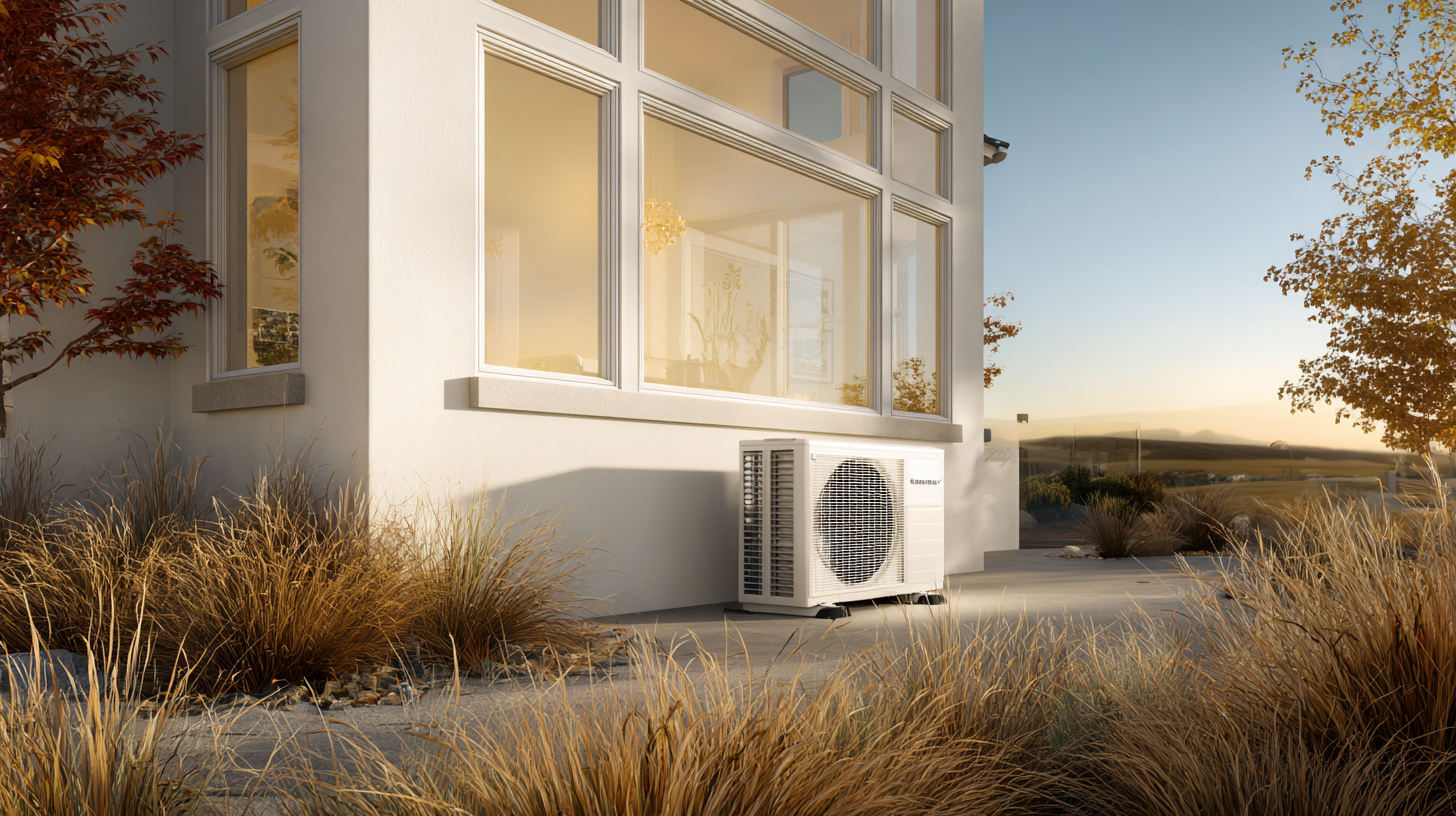
Heat Pump or Furnace for Northern California Homes?
Choosing between a heat pump and a furnace in Northern California comes down to climate fit, operating costs, and long-term energy goals — and in a region with mild winters, the math often favors heat pumps. This article gives homeowners a clear, honest breakdown of how each system works, what it costs to run, and when a hybrid approach might be the right call.
Key Takeaways
- In Northern California’s mild climate, the heat pump vs. furnace comparison often favors heat pumps for energy efficiency and steady performance.
- Upfront costs for furnace installation may be lower in some homes, but long-term savings and rebates can make heat pumps competitive over time.
- The best heating system California homeowners can choose depends on their home’s setup, comfort expectations, and whether a hybrid solution makes sense.
If you live in Northern California, your heating needs are different from those of someone in a snowy state. Winters here are cool, damp, and usually mild. Temperatures rarely stay below freezing for long, which makes the heat pump vs. furnace debate especially important in this region.
When choosing the best heating system in California, you need to look at performance, cost, comfort, and long-term energy trends. The right choice depends on how each system works in this climate and what matters most to you.
How Heat Pumps and Furnaces Heat Your Home
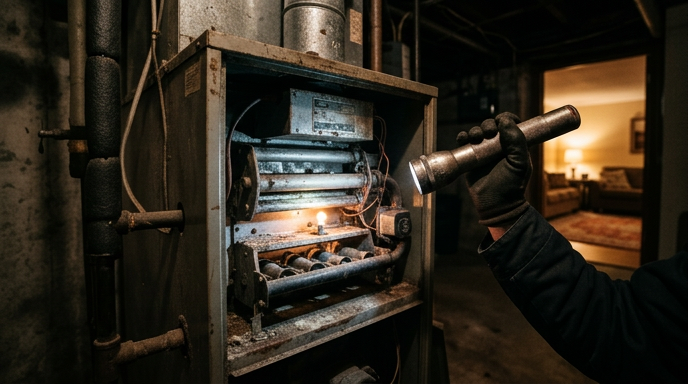
A gas furnace creates heat by burning natural gas. The system warms air in a combustion chamber and pushes it through your ductwork. Because it generates heat directly, it can produce very hot air quickly, which works well in colder parts of the country.
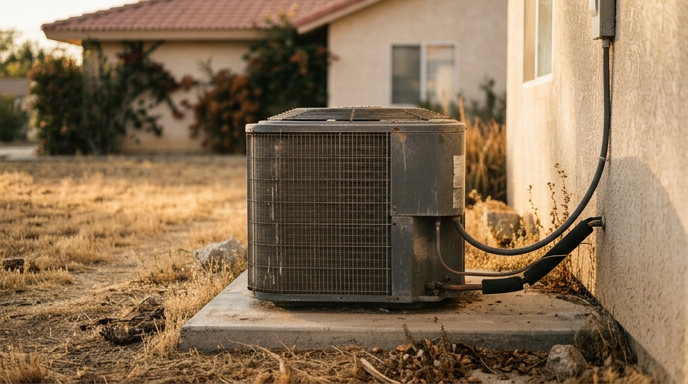
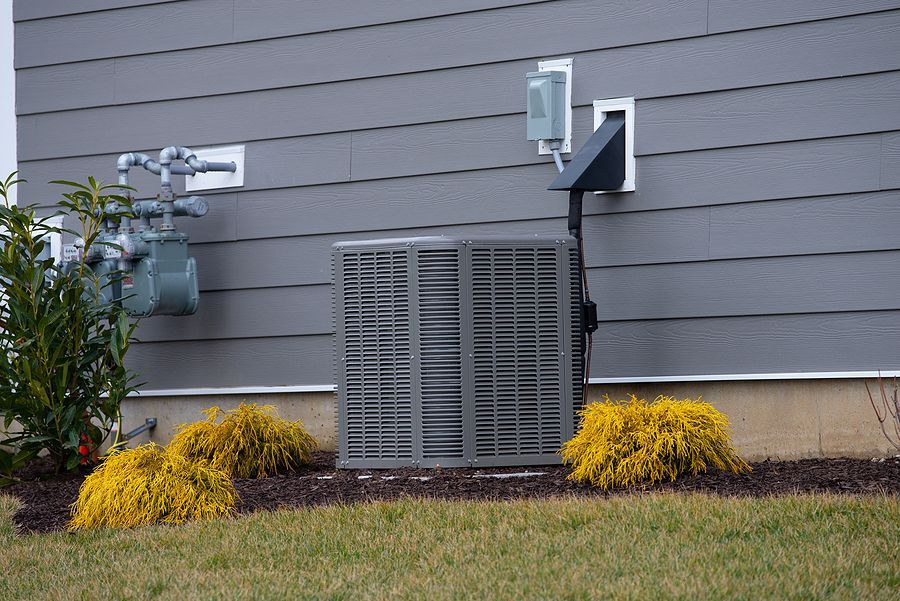
A heat pump works differently. Instead of creating heat, it moves heat from the outdoor air into your home. Even cool air contains heat energy, and in Northern California’s mild winters, that process works efficiently. When comparing a heat pump and a furnace, this difference in operation plays a major role in performance and energy use.
Energy Efficiency Differences Between Heat Pumps and Furnaces
Furnaces usually operate between 80% and 98% efficiency, depending on the model. Some energy is always lost during combustion, even with high-efficiency systems. That means part of the fuel you pay for never turns into usable heat.
Heat pumps can operate at over 200% efficiency because they transfer heat instead of generating it. In moderate climates, they don’t face the extreme cold that can reduce performance, allowing them to maintain strong efficiency throughout the winter.
For many homeowners, that high level of energy efficiency is a major reason heat pumps are often considered one of the best heating system choices for California homes.
Comparing Heating System Operating Costs in a Northern California Climate
Operating costs depend on local utility rates. Electricity in California can be expensive, but natural gas prices also fluctuate and may increase over time. In a mild climate, many homeowners find that heat pumps cost less to run because they use energy more efficiently.
Heat Pump and Furnace Comfort Differences
Furnaces deliver strong bursts of hot air. When the system turns on, you feel immediate warmth, which many homeowners prefer, especially after a proper furnace installation ensures the system is sized and set up correctly. This type of heating can quickly raise the temperature during colder mornings.
Heat pumps provide steady, even warmth instead of intense blasts of heat. The air from the vents may feel cooler, but the system runs longer cycles to keep temperatures consistent. In Northern California’s mild winters, that balanced comfort often feels more natural.
Environmental Impact of Gas Furnaces and Electric Heat Pumps
Gas furnaces burn fossil fuels and produce carbon emissions during operation. While modern models are more efficient than older systems, they still rely on natural gas as their primary energy source.
Heat pumps run on electricity. As California continues to increase renewable energy production, electric systems become cleaner over time. If reducing your carbon footprint is important, the heat pump vs. furnace comparison often favors heat pumps from an environmental standpoint.
How To Decide Between a Heat Pump and a Furnace
If your current system is relatively new and working well, replacing your furnace immediately may not make financial sense. But if your system is aging, inefficient, or facing costly repairs, it’s smart to compare both options carefully.
Every home is different. Insulation quality, duct condition, electrical capacity, and how long you plan to stay in the home all play a role in your decision. In some cases, hybrid heating systems combine a heat pump with a furnace to offer a balance of efficiency and performance.
A professional evaluation can help you determine whether a heat pump, furnace installation, or hybrid setup is best for your specific situation.
Choosing the Right Heating System for Your Northern California Home
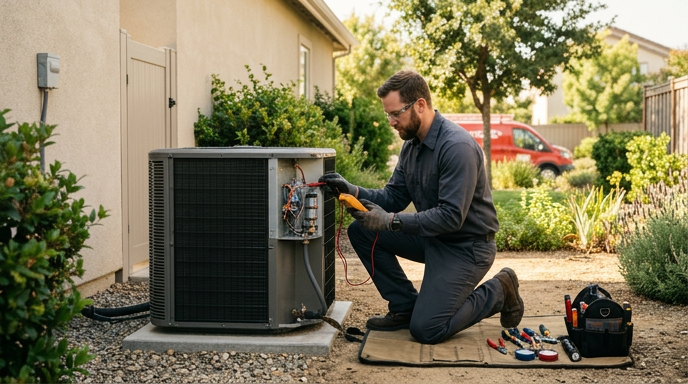
Choosing between a heat pump and furnace installation is easier when you have clear, expert guidance. Next Level HVAC’s licensed technicians evaluate your home’s layout, energy use, and comfort goals so you receive honest recommendations without pressure.
If you’re weighing whether to get a heat pump or a furnace and want to know what makes the most sense for your space, contact us today to schedule your heating services consultation.
Share
More Posts That Might Interest You