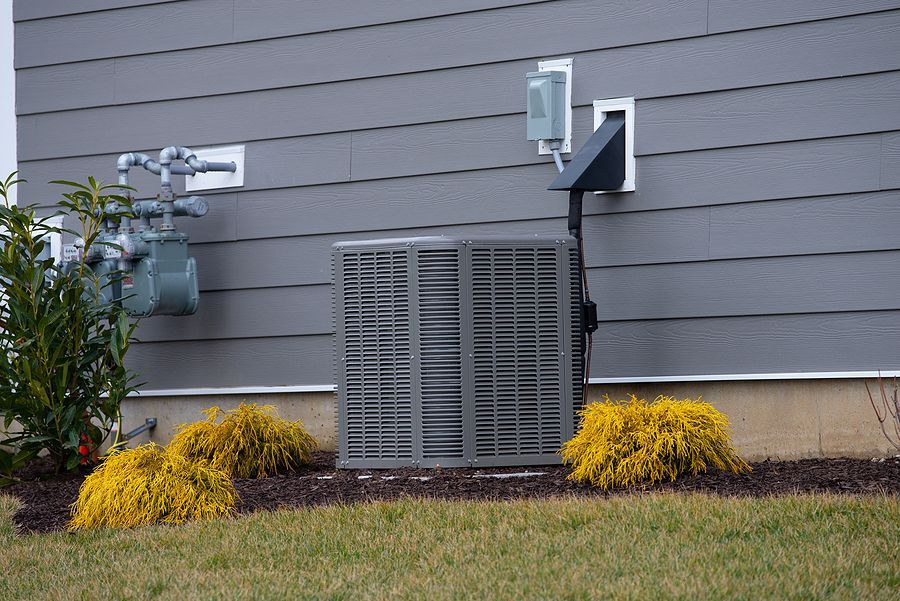
Prevent Furnace Carbon Monoxide Risks and Stay Safe This Winter
Winter Furnace Safety: Avoid CO Risks at Home
As the temperatures drop and you rely more on your furnace to keep your home warm, it's important to remember that your heating system could be a hidden source of danger. Carbon monoxide (CO) is a colorless, odorless gas that can be emitted by malfunctioning furnaces, putting your family’s health and safety at risk.
What Causes Carbon Monoxide Risks in Furnaces?
A furnace can leak carbon monoxide when there are problems with combustion or venting. Here are the primary causes of CO risk:
Cracked Heat Exchangers
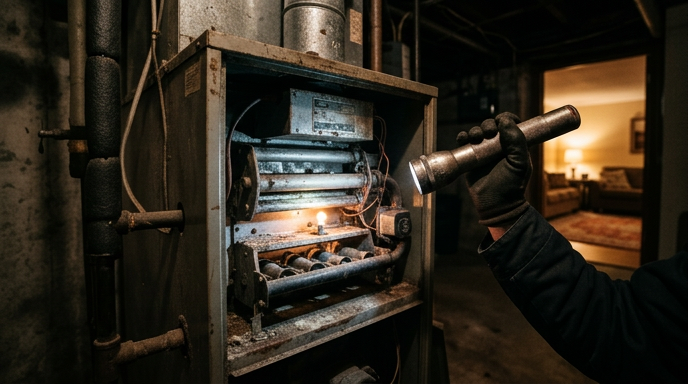
The heat exchanger is a key component in your furnace that separates the combustion gases from the air circulating in your home. Over time, the metal can crack due to the heating and cooling cycles. These cracks allow CO to escape into your indoor air.
Blocked Flues and Vents
The furnace’s venting system carries the harmful combustion gases outside. If vents or flues become blocked by debris, snow, or even animal nests, CO can be trapped inside your home instead of being safely vented out.
Poor Combustion
Improperly adjusted burners or a lack of airflow in the furnace can cause incomplete combustion. This results in the creation of carbon monoxide instead of harmless carbon dioxide. Over time, poor combustion may be worsened by a lack of routine furnace service, putting your home at risk.
How Is Furnace Maintenance a Key Defense Against CO Risks?
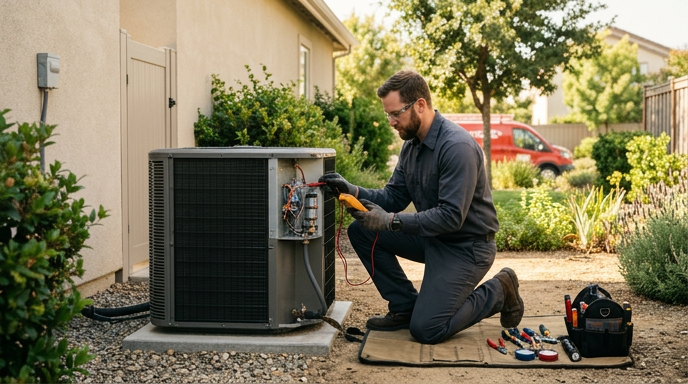
Regular furnace maintenance plays a significant role in preventing CO leaks. A professional furnace tune-up ensures that your system is running efficiently, and it helps identify any potential risks before they become hazardous.
Scheduling a professional furnace inspection every year is the best way to reduce your risk of CO poisoning. An HVAC technician will inspect key components such as the heat exchanger, burners, and flues for any signs of wear or blockages. They will also clean critical parts and check for any combustion issues that could lead to CO production.
What Are the Warning Signs of Furnace Carbon Monoxide Leaks?
While carbon monoxide is undetectable by the human senses, there are some physical and furnace-related warning signs that may indicate a problem.
Physical Symptoms of CO Poisoning
If you or your family members experience any of the following symptoms while indoors, you should immediately leave the house and seek fresh air:
● Headaches
● Dizziness or confusion
● Nausea and vomiting
● Shortness of breath
● Fatigue
Furnace Warning Signs
Your furnace itself may show physical signs of a CO leak. Signs such as yellow or orange flames, soot or stains, or excess moisture should never be ignored.
What Is Proactive CO Protection?
In addition to regular furnace service, there are steps you can take to protect your home and family from the dangers of CO poisoning.
Test and Maintain CO Detectors
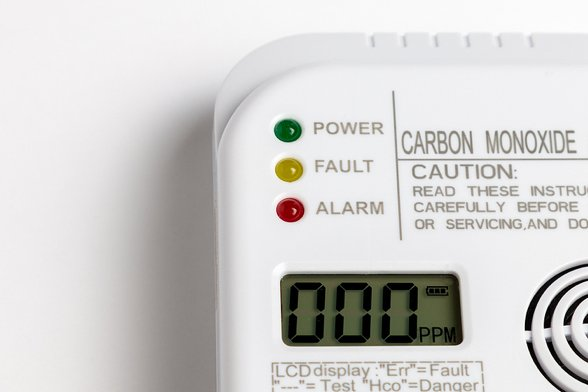
One of the most important tools in preventing CO poisoning is a working carbon monoxide detector. Ensure that you have at least one detector on every floor of your home, especially near sleeping areas. Test your detectors monthly and replace the batteries at least twice a year. Most detectors last between 5 and 10 years, so replace them according to the manufacturer's recommendations.
Clear Outdoor Vents
Before each heating season, check that vents and flues around your furnace are free of debris, snow, or nests. This ensures that harmful gases can safely exit your home. If you can’t reach the vents yourself, consider having a professional HVAC technician inspect them during your furnace tune-up.
Furnace Repair vs. Furnace Replacement: When Should You Repair or Replace?
Winter weather can challenge your HVAC system, especially in places like Sonoma County, where winter storms can bring heavy rains and cold temperatures. If your furnace is older or experiencing frequent breakdowns, you may be wondering whether to repair it or replace it with a new furnace.
If your furnace is relatively young (less than 15 years old) and only requires minor fixes, such as cleaning or replacing a part, repairing it is typically the most cost-effective option. Regular furnace maintenance should be sufficient to keep it running efficiently.
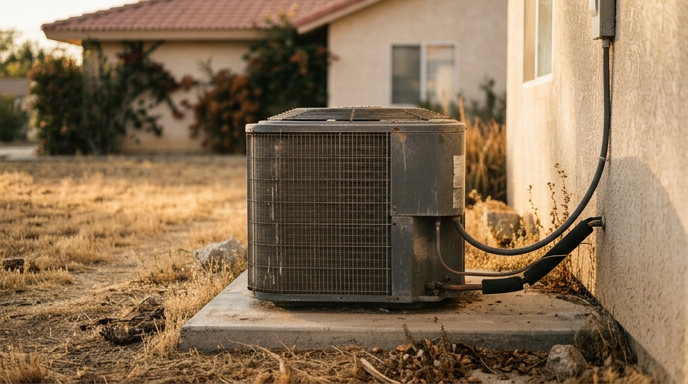
If your furnace is older, frequently needs repairs, or is showing signs of significant deterioration (like cracked heat exchangers or rust), it may be time for furnace replacement. New furnaces are more energy-efficient and come with advanced safety features that reduce the risk of CO leaks. Additionally, replacing an old furnace may save you money on energy bills in the long run.
Stay Safe This Winter With Furnace Maintenance and CO Detection
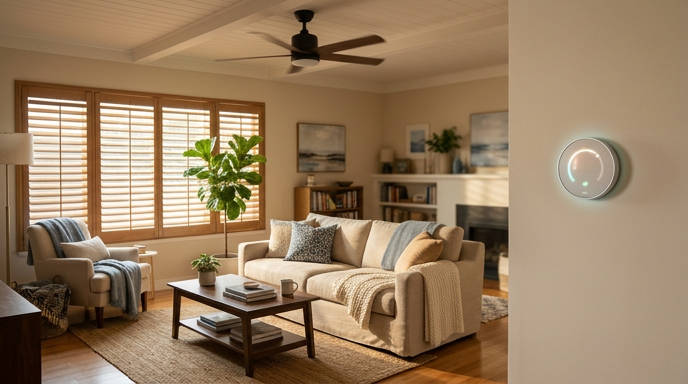
As winter approaches and temperatures drop, take the time to ensure that your furnace is safe and operating efficiently. Regular furnace maintenance, proper ventilation, and functional carbon monoxide detectors can significantly reduce the risk of CO poisoning in your home.
If you want the peace of mind that comes from expert care, Next Level HVAC offers reliable furnace inspections, maintenance, and repairs backed by honesty, integrity, and upfront pricing. Schedule your furnace service today and let our licensed, local team help keep your home warm and protected all winter long.
Share
More Posts That Might Interest You