How Whole-Home Humidifiers Help Homes Stay Comfortable All Winter
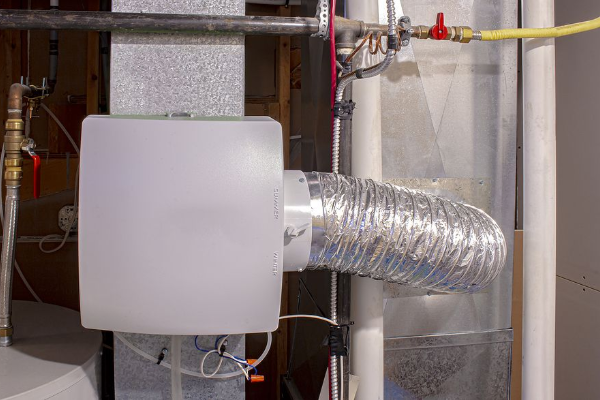
Improve Winter Comfort With a Whole-Home Humidifier
When the damp chill of winter settles over Sonoma County, indoor comfort becomes more important than ever. But even though your furnace keeps your home warm, it can also dry out the air, leaving you with itchy skin, static shocks, and irritated sinuses.
A whole-home humidifier helps restore balance by adding just the right amount of moisture throughout your living space. With proper humidity, you’ll breathe easier, protect your belongings, and even feel warmer without turning up the thermostat. Professional air quality services can make all the difference in transforming your home’s winter comfort.
Why Winter Air Feels So Dry
Cold air naturally holds less moisture than warm air. Once your furnace heats that air, it becomes even drier, which is why rooms with poor air quality often feel stuffy and uncomfortable.
When humidity drops below 40%, you may notice signs such as dry skin, a sore throat, or increased static electricity. These effects are common winter challenges to HVAC systems, which work hard to heat your home but unintentionally remove moisture in the process.
The result? Air that feels colder than it actually is. Maintaining humidity between 40% and 60% keeps indoor air balanced, reduces dryness, and helps your home feel consistently cozy.
How Dry Air Impacts Your Home and Health
Low humidity isn’t just uncomfortable — it can also affect your health, your furniture, and even your energy bill. Here’s what tends to happen when indoor air gets too dry:
- Static electricity: Frequent shocks when touching doorknobs, clothing, or electronics.
- Dry skin and lips: Moisture evaporates faster, leaving skin flaky or irritated.
- Scratchy throat and nose: Dry air irritates nasal passages and can make breathing harder.
- Warped wood and cracked furniture: Floors, doors, and trim shrink in low humidity.
By installing a whole-home humidifier, you can stabilize moisture levels and minimize these problems, improving both your comfort and your home’s condition.
The Benefits of a Whole-Home Humidifier
Unlike portable units that only help one room, a whole-home humidifier connects directly to your HVAC system, distributing moisture evenly through every vent. Once installed, it automatically adjusts humidity based on temperature and air conditions, so you don’t have to constantly monitor it.
When your home stays within a healthy humidity range, you’ll notice benefits like feeling warmer at lower settings, easier breathing due to soothed sinuses and throats, and more restful sleep because of dryness that might cause snoring.
Reducing Static and Protecting Your Home
If you’re tired of being zapped every time you touch a light switch, a whole-home humidifier can help. Dry air increases static buildup, but moisture in the air helps discharge those electrons safely.
That same balance of moisture also protects your furniture, flooring, and musical instruments from cracking or warping. Even houseplants benefit from improved humidity — they stay green and healthy instead of wilting during the colder months.
With better air quality services, you can protect everything that makes your house feel like home.
How Humidity Helps You Save Energy
One of the most underrated benefits of proper humidity is its impact on your heating costs. For every 4% increase in indoor humidity, the air feels roughly one degree warmer. That means you can lower your thermostat setting and still feel just as cozy, all while reducing energy use.
Since humidifiers use very little electricity, they’re an efficient way to cut back on furnace use without sacrificing comfort. Over time, this helps reduce wear and tear on your heating system and lowers your monthly energy bills — a win for both your budget and the environment.
Simple Maintenance for Year-Round Performance
Whole-home humidifiers are designed to be low-maintenance, but a little attention each season helps them work their best. Basic upkeep includes:
- Replacing or cleaning the water panel once per heating season (or as recommended by the manufacturer).
- Checking for mineral buildup if your home has hard water; using filtered water can help reduce scale.
- Inspecting the drain line to make sure moisture is flowing properly.
- Monitoring indoor humidity with a hygrometer to keep levels between 40% and 60%.
When To Add Humidity Control to an Existing System
If you already have a central heating system, adding a humidifier is a straightforward upgrade. Most units attach directly to your furnace and integrate with existing ductwork.
Depending on your home’s size and layout, your technician may recommend:
- Bypass humidifiers, which use your furnace’s airflow.
- Fan-powered models, which add moisture independently.
- Steam humidifiers, which provide the most precise control for larger homes.
If you’re planning a furnace replacement or addressing other HVAC winter challenges, it’s an ideal time to add humidity control. Doing so enhances comfort and helps your heating system perform more efficiently throughout the colder months.
A More Comfortable Winter in Sonoma County
A comfortable winter starts with air that supports your health, your home, and your sense of ease. When humidity levels stay balanced, the air feels warmer, breathing becomes easier, and your indoor spaces stay protected from the dryness that winter often brings.
For Sonoma County homeowners ready to improve their home’s air quality and enjoy a more comfortable winter, Next Level HVAC can help you choose and install the right whole-home humidifier for your space. With professional guidance and dependable service, our team makes it easy to upgrade your indoor comfort. To get started, request an estimate and explore the best air quality solutions for your home.
Share
More Posts That Might Interest You