Types of Thermostats and How They Affect Energy Efficiency
Types of Thermostats and Energy Efficiency
If you're a homeowner, there are several very good reasons to try to improve your home's energy efficiency, especially as it relates to heating and cooling. Not only does better energy efficiency help preserve natural resources, but it also lowers your monthly utility bills.
Your thermostat is the main control of your home's HVAC system. There are several different types of thermostats available, and the type you choose can make a big difference to the energy efficiency of your home.
Smart Thermostat
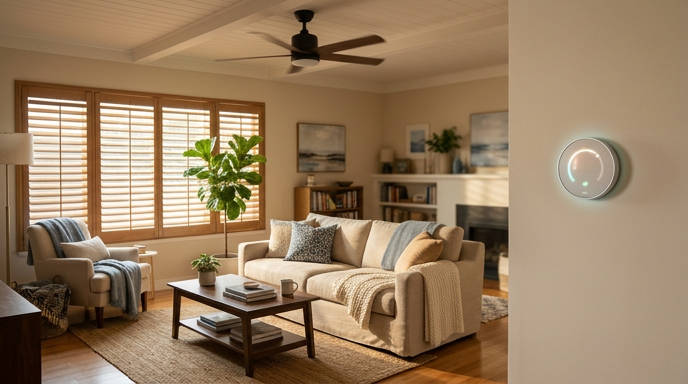
Smart thermostats are the newest and most high-tech types available. They get their name from their ability to connect to Wi-Fi, which gives you the ability to control them from your computer, smartphone, or tablet, even if you are not home at the time. The ability to make adjustments to your thermostat remotely as needed is not only more energy-efficient, it is considerably more convenient as well.
Manual Thermostat
As implied by the name, a manual thermostat is one that you must set by hand. This is the oldest type of thermostat, and once it is set, it will remain at that setting, day and night, until someone changes the setting. A manual thermostat is terribly inefficient because either you have to leave it set at the same temperature at all times, even when the house is empty or everyone in your family is asleep, or you have to keep resetting it by hand every time you go to sleep and wake up, or leave the house and return. In its favor, however, it is the simplest type of thermostat, and anyone can understand and operate it.
Programmable Thermostat
It is most efficient to set your thermostat to a lower temperature when your family is sleeping or when nobody is home. If your family follows a consistent schedule, you could benefit from a programmable thermostat that customizes your settings for every day of the week. This allows you to arrange so that your HVAC system isn't wasting energy heating and cooling and empty house, and the furnace and air conditioner are working for you when you need them most.
Compared to a manual thermostat, a programmable thermostat is almost as simple to use and offers you a little more flexibility. However, a programmable thermostat is limited compared to a smart thermostat. A programmable thermostat cannot connect to Wi-Fi and so cannot be controlled remotely the way a smart thermostat can. Therefore, it may not be the best option if your schedule is not consistent from day to day. If, for example, you work a varying work schedule, you may want to invest in a smart thermostat rather than a programmable one so that you can change the settings at any time as needed.
Other Efficiency Factors
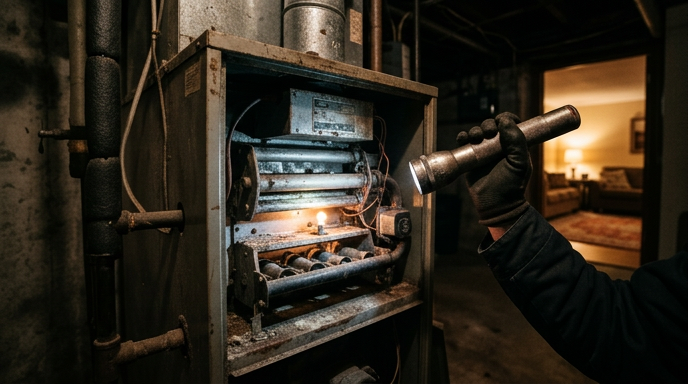
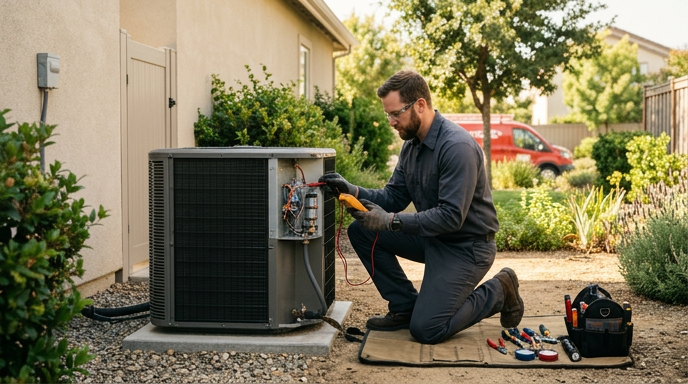
The type of thermostat you have influences energy efficiency, but it is not the only relevant factor. The voltage of your HVAC system and whether it operates at one or multiple speeds also make a difference. Maintenance also makes a huge difference to energy efficiency, so you should make sure that your system is in good repair. For more information about regular maintenance of your HVAC system, contact Next Level Heating and Air Conditioning at 707-228-9921.
Share
More Posts That Might Interest You