Multi-Story Homes Benefit From Efficient Thermostat Use
How To Use Your Thermostat For Efficient Heating and Cooling
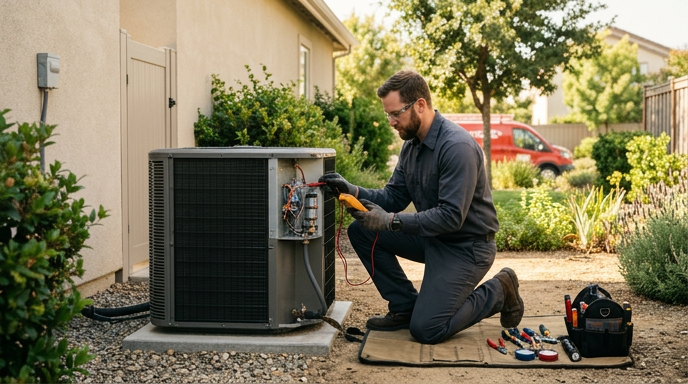
The best way to keep your home warm in the winter and cool in the summer without emptying your wallet is to have multiple thermostats installed in the house. Zoned heating and cooling is as easy as scheduling your HVAC contractor Santa Rosa to make the appropriate modifications for zoning and adding thermostats. In some cases, however, not every home will be a candidate for zoning; in that case, there are still ways to save. Learn more about how to set your thermostat, whether you have one or more, for the most efficient use of money and energy in a multi-story house.
Multiple Thermostats for Multiple Floors
Multiple thermostats ensure zoned heating and cooling that target specific floors and areas of your home rather than one thermostat for the whole house. While multiple HVAC units are more practical for multiple thermostats and increase efficacy, zoning can still be accomplished with just one unit. Multiple zones can be created to redirect airflow that allows you to control each floor of your house independently. Blower fans and dampers control which airflow goes where depending on how your thermostats are set.
One common approach is typically used for multiple thermostats to be most effective. A temperature cascading process makes energy saving a snap while ensuring that comfortable and even temperatures are achieved on each floor. The premise is that the air from one floor will either rise or fall to other floors thanks to thermodynamics to heat or cool the home efficiently.
Summer Cooling
In the summer, the recommended thermostat setting for maximum energy efficiency is somewhere between 76 and 78 degrees Feherenheight. For your house to maintain an even temperature without the top floor feeling like the sun’s surface and the bottom levels feeling like an icebox, temperature cascading is employed to maintain even cooling and prevent higher energy bills.
Remember that heat rises, and cool air sinks to effectively temperature cascade for the summer. To decrease your energy bills, create the opportunity for the cool air to sink to the other floors as the top-level regulates the temperature in the house. The air will circulate between the floors to maintain the desired temperature.
Winter Heating
Just like maintaining summer temperatures, employ cascading for efficacy and savings to regulate winter warmth in your home. The ideal energy efficiency and comfortable temperature for winter is 66 to 68 degrees Fahrenheit. However, temperature cascading will reverse for the winter since hot air rises.
One Thermostat for Multiple Floors
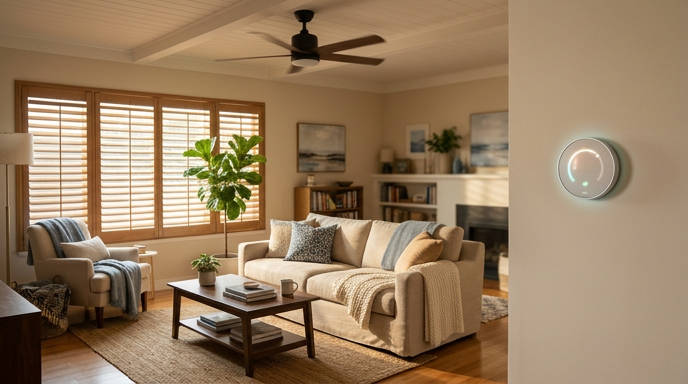
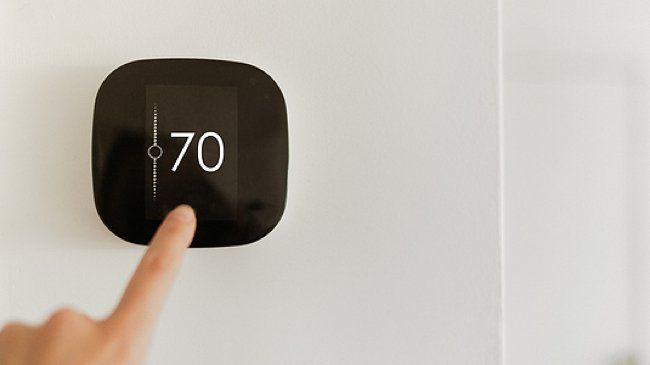
If your multi-story home is not a candidate for zoning, first consider a smart thermostat as an alternative. It is easier and more efficient to control your heating and cooling while away, saving money in the long run.
Zoning Alternatives
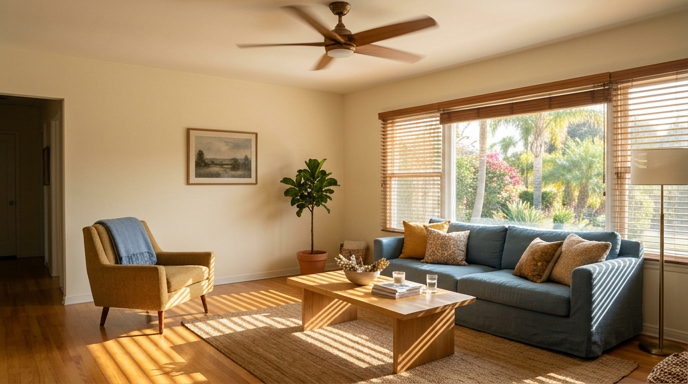
In addition to smart thermostat installation, there are other methods to save on heating and cooling bills without modifications. Keeping windows open when weather is fair to moderate may help maintain comfortable temperatures, but plan for inclement weather. Ceiling fans are also an interim solution to help manage heating and cooling issues until you save enough money.
- In the winter, turn down the thermostat, and run fans clockwise to updraft warm air
- In the summer, turn up the thermostat, and run fans counterclockwise to downdraft air to help cool the room
For more information on how to save money on heating and cooling bills while optimizing the efficiency of your HVAC system, contact the professionals at Next Level HVAC today.
Share
More Posts That Might Interest You