When to Call a HVAC Contractor to Replace Your AC Blower Motor
When to Replace an AC Blower Motor
When your air conditioner suddenly stops working, figuring out the root cause can be a challenge. One potential issue could be a faulty or dead blower motor. It’s a critical part of your system that ensures air circulates through your home, and you’ll need a skilled HVAC contractor to fix it.
You must know what a blower motor does, common signs it's on the way out, and what to expect when you call an HVAC service to replace it. Always call a professional HVAC contractor to diagnose and fix these issues to get your system back in top shape.
What is a Blower Motor and Why is an HVAC Contractor Essential?
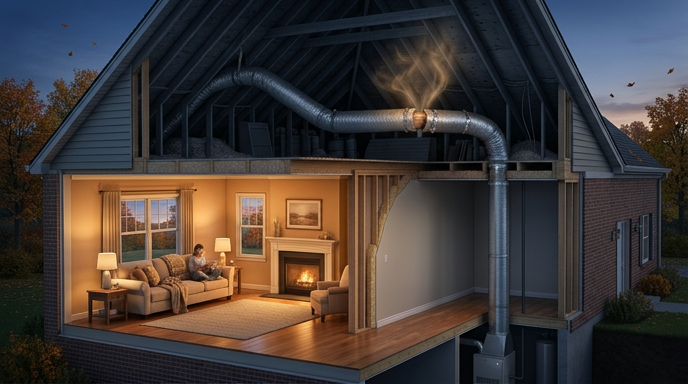
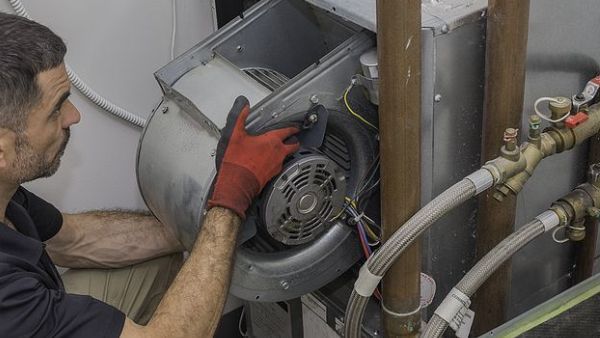
In your air conditioning system, a blower motor is the indoor fan that circulates the conditioned air throughout your house. You may hear it called a furnace fan because you find it in the air handler if your home has electric heat or if your gas furnace.
However, despite getting installed in the heating unit, this component is vital for cooling your home during summer. It also helps heat your home in the cooler months. An HVAC contractor can help ensure your blower motor functions efficiently year-round.
Differentiating Between AC and Furnace Blower Motors
The HVAC blower motor, or just the blower motor, is essential to keeping your indoor air moving. It has different names, like the furnace blower motor or AC blower motor. Your HVAC system comes with two main fans.
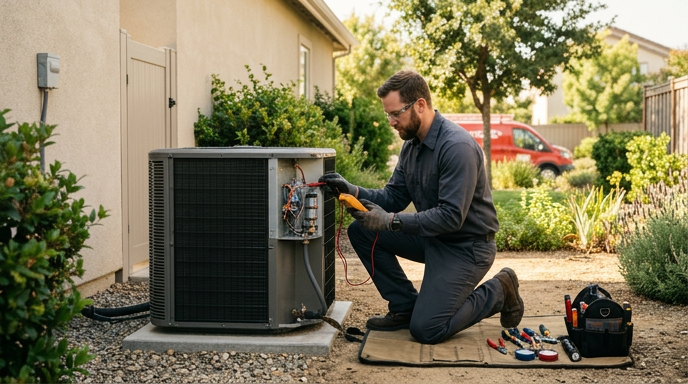
The first is the indoor blower motor that circulates indoor air, and the second is the outdoor fan motor. The outdoor one pushes heat from your home. Depending on your setup, the outdoor unit could be a heat pump or a condenser.
Signs Your Blower Motor Might Be Failing
There are several critical signs that your blower motor is starting to fail. If you notice them, consider calling a professional HVAC contractor:
- System Shutdown: If the heating and cooling system switches off and refuses to go back on, a blower motor failure could be behind it.
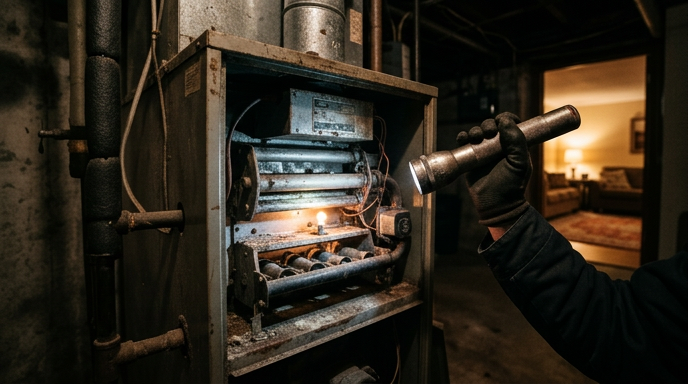
- Bad Odors: An electrical or burning smell usually points to an overheating motor, and this is a dangerous issue.
- Unusual Noises: If you hear strange sounds, like grinding or banging, it can hint at physical damage to the fan or blower motor.
- No or Weak Airflow: A noticeable drop in airflow from your vents or no air movement at all usually indicates an issue with the blower motor. It could also signal it’s time to inquire about optimizing your indoor air quality with duct and filter cleaning and sealing.
Diagnosing Blower Motor Issues
To confirm blower motor failure and identify the root cause, an HVAC technician will typically check the following:
- Airflow: Restricted airflow, often due to dirty air filters, can cause high static pressure, leading to blower motor failure. Regular filter replacement can prevent many of these issues.
- Electrical Components: Problems with the relay, capacitor, thermostat, or fan control on the PC board can all lead to blower motor issues.
- Physical Damage: Loose bearings, broken motor mounts, or damaged fan blades are physical signs of blower motor trouble.
Why Do Blower Motors Fail?
The most common reason these essential parts fail is high static pressure, which results from restricted airflow. A lack of regular maintenance and electrical surges can also cause blower motor issues. Once they fail, contacting a trusted HVAC service and asking about AC service and repair is the next step to getting your system running again.
Factors Influencing the Cost of Replacement
The price to replace this critical part depends on its availability. The labor your HVAC technician has to put in to install it also factors in. HVAC technology advances, especially the new energy-efficient standards, have turned blower motors into complex parts. They're specific to each system, impacting availability and price.
Generally, replacing a blower motor typically takes two to three hours, depending on the technician's expertise and the availability of the specific part.
Modern Blower Motor Technology
Today, most blower motors feature computer controls to enhance their efficiency and make it easier to meet the latest Fan Energy Rating (FER) standards. One of the most common types is Electronically Commutated Motors (ECM). They monitor your system's airflow using RPS and amp draw to ensure it's running as it should.
Constant Torque Motors (CTM) are also popular. These motors carefully calculate the amp draw and torque to optimize your system's performance. Permanent Split Capacitor (PSC) motors are another option. However, the industry is slowly phasing them out due to their inefficiency.
Let Next Level HVAC’s Skilled HVAC Contractors Replace Your Blower Motors
Regular air conditioning system maintenance can help catch blower motor issues before they escalate. If you suspect a blower motor problem, contact the trusted HVAC technicians at Next Level HVAC to diagnose and fix the issue promptly.
We can also perform regular check-ups and timely replacements to ensure your system runs efficiently, keeping your home comfortable year-round. Whatever the issue, our staff is on hand and ready to help. Contact us for a free quote!
Share
More Posts That Might Interest You