What is SEER Rating
Understanding What SEER Rating is
Energy consumption has become a more popular topic of conversation in recent years. Advancements in HVAC operation make it possible for homeowners to use less fuel to cool their homes, which can be especially relevant in the Santa Rosa and Marin County areas where warm weather may persist all year round.
You may have run across a SEER label on your current air conditioning unit, or you might have heard the term when shopping around for new systems. What does this rating mean? What does it have to do with energy efficiency? Read on to find out.
What Is SEER Rating?
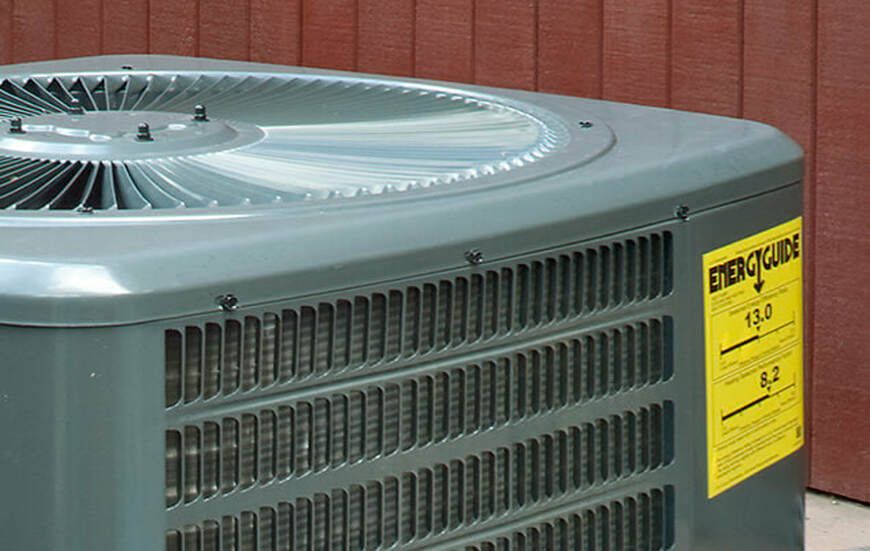
SEER stands for Seasonal Energy Efficiency Ratio. It is an actual ratio of the amount of cool air that’s put out versus the energy that’s used to generate it. To be considered efficient, most models need to have a rating of at least 13, but the highest accomplishment is in the low to mid 20s.
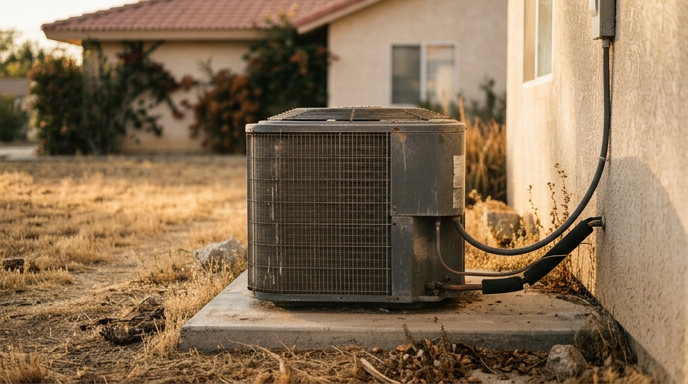
Because this strength of this number is like a badge of honor, you can typically find it without having to look too hard. For comparison, some older units may have ratings as low as 7 or 8.
What Are the Benefits of a Higher Number?
Whether your old unit is at the end of its life or you’re simply looking for alternatives to your current system, there are many benefits to investing in a high SEER rating. With the installation of energy efficient equipment, you may see some valuable rewards:
- Lower energy bills
- Potential tax credits
- Better air circulation
- More environmentally friendly
- Higher property value
The improved comfort and cost-effective advantages are worth the replacement expense for most homeowners. However, a solid unit typically needs assistance from other parts of your home to run at its max efficiency.
How Can You Improve Your Overall Efficiency?
To help your SEER appliance reach its full potential, you can take some additional steps throughout your home. It’s important to make sure that all your windows and doors are properly sealed with minimal air leaks. Insulation should be clean and plentiful in all areas of the house, including the attic.
You can also reduce the amount of sunlight that filters inside with shades and other window treatments. This is especially key in the hottest parts of the day.
Should You Swap Out Your Current Air Conditioner?
Replacing your air conditioner is a decision that depends on each homeowner’s situation. It may not be worth it to invest in a new unit if you plan to move within the next few years. You also should consider the gap between your current air conditioner and its potential replacement. If you’re going to switch out a unit that’s hovering around 13 or 14, it’s going to be most beneficial to step way up to a SEER rating that is at least 20. A small upgrade isn’t going to make much difference.
If you’re ready to make the switch to a more efficient unit, request an estimate from Next Level HVAC. We are Diamond Quality Certified and our technicians are licensed, experienced professionals with a passion to get the job done right. For more information, subscribe to our blog or find us on Facebook.
Share
More Posts That Might Interest You