Uncovering the Causes and Solutions for the 10 Most Common Furnace Noises

Differences Between Furnace Types
Home furnaces are necessary pieces of equipment, especially in colder or unpredictable climates. The equipment usually requires the experienced hands of an HVAC contractor for installation. With professional installation and maintenance, you can likely avoid many common issues with your furnace. Still, because furnaces are machines, it is possible for things to go wrong, resulting in strange noises. Understanding everyday noises and when to call a professional is paramount to avoiding significant expenses and repairs.
HVAC Contractor Explains 10 Furnace Noises and Solutions
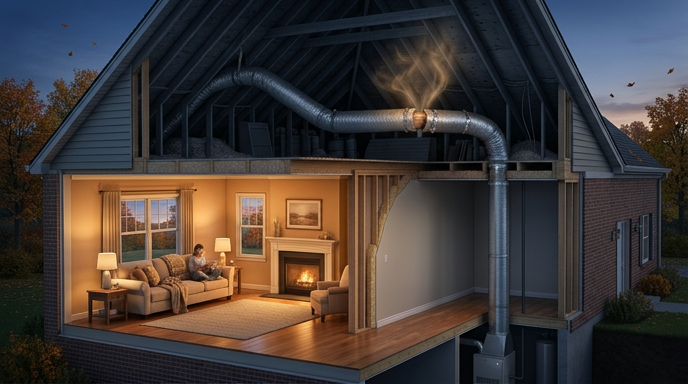
Furnaces contain several moving parts; they also force large volumes of air through ductwork. Between the moving parts and air movement, you can expect some noises. Still, for the most part, the units are relatively quiet, especially if you invest in two-stage or variable-capacity furnaces. Still, occasional noises may require some professional troubleshooting, especially if they persist.
1. Humming
Some homeowners are surprised when they suddenly start to hear a soft or low humming from their furnaces. In most cases, the humming is normal and stems from the draft inducer motor or the furnace blower motor. The draft inducer motor hums or cycles on when the thermostat calls for heat. The blower motor hums as it cycles air through the property.
It is possible the humming can stem from an electrical issue. A worn-out or failing blower motor may be the culprit.
2. Clicking
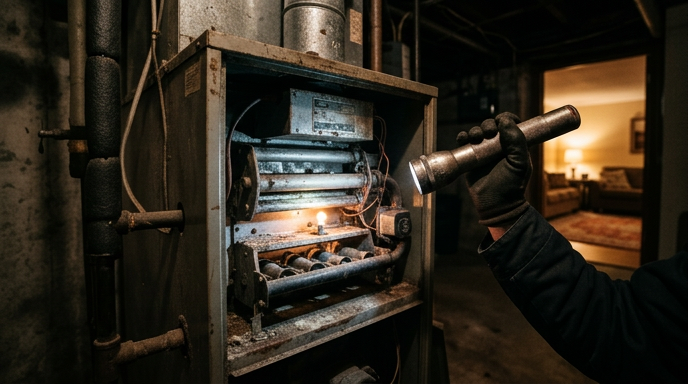
Clicking sounds usually indicate an ignition problem. The clicking occurs as the igniter attempts to light the furnace. A single click at the start of a cycle is normal and does not represent a problem; however, if the furnace continues to click without igniting, something is wrong. Some possible issues include:
- A bad ignition control board
- Dirty burners
- Bad thermocouple
- Bad gas valve
3. Buzzing
A split-second buzz is possibly normal if the capacitor is trying to give the blower motor a boost. Any buzzing that lasts longer than a second is a potential problem. Because buzzing usually represents an electrical problem, you need to schedule an HVAC contractor to inspect the system. Waiting too long for an assessment can risk further damage to the unit.
4. Rattling, Clunking, Rumbling
A new furnace or one in good condition should not produce unusual noises like rattling, clunking, or rumbling. The two main reasons for such noises are a cracked heat exchanger or a damaged or loose part.
The best-case scenario is to find a loose or damaged part because that is likely a quick and inexpensive fix. If the cause of the noises is a cracked heat exchanger, it is usually best to replace the unit.
5. Popping or Banging
The temperature shifts in furnace ducts can cause subtle popping or banging sounds, but they should not cause significant distractions and shouldn't be ongoing. The most common cause of these noises is a delayed gas ignition. An HVAC contractor can help you determine the cause of the noises and fix any issues that may put you or your family in danger.
6. Knocking
When people refer to knocking sounds, it is usually a catch-all phrase for noises. Typical or expected knocking noises include those stemming from the ductwork or furnace cabinet during the initial warm-up or cool-down phase of a cycle. Other possible causes of the noise include:
- Loose or broken parts
- Dirty air filter
- Debris
- A lack of insulation
7. Whistling
Whistling is never a normal sound for a furnace. The noise indicates restricted airflow. The most common culprit of airflow issues is a dirty air filter. Another possible cause is a damaged duct.
Sometimes whistling is the result of trying to manage temperature output. For example, if you don't want heat in a specific room, you may close the vent. The vent may not close tight enough, allowing for some airflow to pass through and create a whistling sound.
8. Gurgling
Gurgling is usually only an issue if you have a condensing furnace because the noise indicates a water issue. Some water noises are expected for these furnaces, but the noise should not be persistent or distracting. Contact an HVAC contractor to inspect the system for leaks or damage.
9. Squealing or Grinding
A squealing or grinding noise is usually the result of a bad motor. The most common culprits include the inducer motor or blower motor. Essentially, the grinding or squealing stems from a worn-out bearing and the rubbing of metal on metal.
10. Beeping
Newer furnaces are designed to be user-friendly. The systems have sensors connected to built-in notification triggers. You will likely hear beeping when the system tries to tell you something needs replacing or repair. Common notifications include:
- Low thermostat battery
- Dirty air filter
- Regular maintenance
- Sensor problem
HVAC Contractor Services Near You
Furnace noises may mean nothing, or they may indicate a problem. An HVAC contractor can help you get to the bottom of frequent noises to ensure your furnace remains operational. Contact
Next Level HVAC for more information or to schedule an assessment.
Share
More Posts That Might Interest You