Is Your Heater Working Too Hard?

Maintain Your Heater in the Santa Rosa Winter
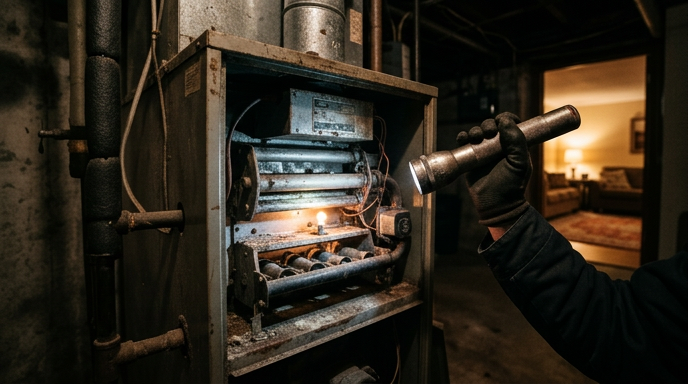
Santa Rosa weather might be fairly pleasant most of the year, but the nights can get cold in the winter. Keeping your heater operating efficiently is important to your comfort and your budget. Most homeowners want to keep their appliances working for as long as possible to avoid costly replacements. Here are four ways you might be overworking your heater, which can cause it to use too much energy and will reduce its lifespan. You can also discuss your concerns with your HVAC contractor. If your heater isn’t keeping you warm enough, it might need service or replacement.
Forgetting to Change the Air Filter
A dirty filter blocks the flow of air through your home. It’s not just about keeping allergens out of your home. Not changing your air filter at three to six-month intervals makes your blower work harder, wearing parts down. Purchase high-quality filters and change them as directed.
Blocking Vents
Your HVAC system circulates air through the home. It has to work harder when furniture blocks the vents. It puts strain on the system, which makes it run more often to provide the same level of comfort. Take 10 minutes to walk through your home to make sure that your vents aren’t blocked. It’s easy to think that closed vents in rooms that you don’t use save you money, but they only make your heater work harder. Open the vents in the house.
Too Many Air Leaks in Your Home
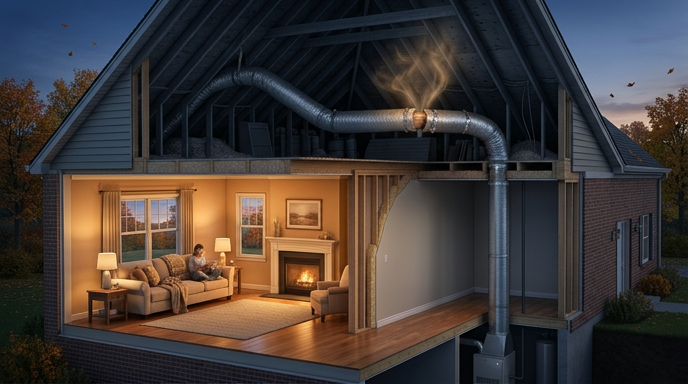
A cold, drafty house will cause your heating unit to work harder than it needs to. If your windows or doors aren’t sealed well, you’re letting cold air into your home. Your heater has to combat that additional air by turning on. It can cause some parts of the home to be too hot, while others may not ever get warm enough. Plus, you’re wasting money by overheating your home. Check your windows and doors for leaks and make repairs.
Running Your Heater Too Often
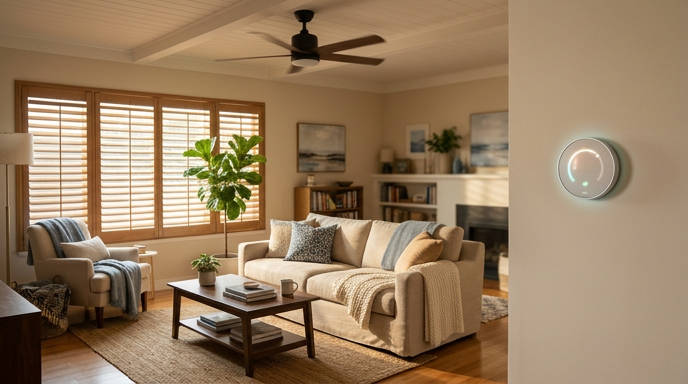
Do you go to work and leave the heater on? Maybe you want to come home to a toasty, warm home, but running your heater all day when no one needs heat can raise your utility bills and overwork your heater. No, you don’t need to turn it off completely, but using a smart thermostat can help you save money and manage your settings.
Set the heater to be lower when no one is home. Have it turn on about 15 to 30 minutes before someone gets home. You can also turn your heater down a couple of degrees at night and have your thermostat programmed to a higher temperature before you wake up. It’s a small adjustment, but it will reduce the wear and tear on your heater and save your budget. A programmable thermostat works great for summer months, too.
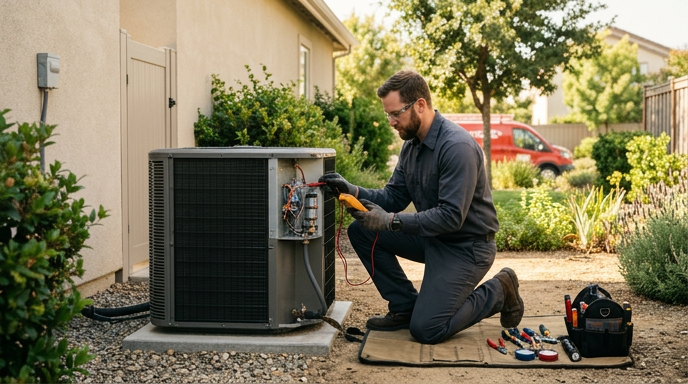
Contact a Local Professional for Service
Contact Next Level HVAC, a residential HVAC Contractor in Santa Rosa and Marin County. We’re licensed, bonded and insured for your protection. Our business has an A+ BBB rating and is Diamond Quality Certified. For more information on keeping your heater at peak performance, use ouronline form to request service. Like us on Facebook for helpful articles on your HVAC system.
Share
More Posts That Might Interest You