How to Test Your Furnace Before the First Cold Snap Hits
How to Test Your Furnace Before the First Cold Snap Hits
A furnace that has been off since last winter can have problems you won't notice until you depend on it. A 15-minute test run in October lets you listen for new noises, compare airflow room by room, and spot ignition or cycling problems while days are still mild. In Sonoma and Marin, testing early also gives you a scheduling advantage, because HVAC calendars fill quickly once the first cold snap arrives. If the test finds a real problem, a clear repair-or-replace conversation helps you choose with confidence.
Key Takeaways
- Clear the furnace area, check your carbon monoxide alarms, then set the thermostat to Heat about five degrees above room temperature and let the system run for 15 minutes.
- A light dusty smell on the first run is normal and should fade. A fuel smell, electrical smell, or smoke means you should shut the system off and call a professional.
- Banging, grinding, short cycling, or a room temperature that won't rise all need a technician's diagnosis, not repeated resets.
- Walk the house and compare airflow at each vent. Weak spots can point to a loose duct, a blockage, or an airflow balance problem.
- One repairable problem doesn't mean you need a new furnace. Replacement only deserves a closer look for older systems with major damage, repeated breakdowns, or safety concerns.
Your furnace may have been off for months by the time cooler weather reaches Sonoma and Marin Counties. This guide explains how to test your heating system early and what to watch for during the first run.
Turning on your furnace before the first cold night gives you time to see how it responds after months of sitting idle. You can listen for new sounds, check whether warm air reaches each room, and spot problems while daytime temperatures are still comfortable. In Sonoma and Marin Counties, testing in early fall also gives you more time to schedule service before cold weather increases demand.
Why Fall HVAC Prep Matters
A furnace may have problems that aren't obvious until you turn it on again. Dust can collect near burners, electrical parts can wear, and thermostat batteries can fail. Running the system early helps you catch problems before you depend on the furnace every evening.
Early testing also gives you better scheduling choices. In Sonoma and Marin Counties, HVAC companies can book up quickly once the first cold snap arrives. Testing your furnace in October gives you a better chance to schedule service or fall HVAC maintenance before demand spikes, making the test a scheduling advantage as well as a maintenance check.
You don't need special tools for this first check. The goal is to observe how the system starts, runs, and distributes heat so you can give a technician useful details if something seems wrong.
How to Run a Safe Furnace Test at Home
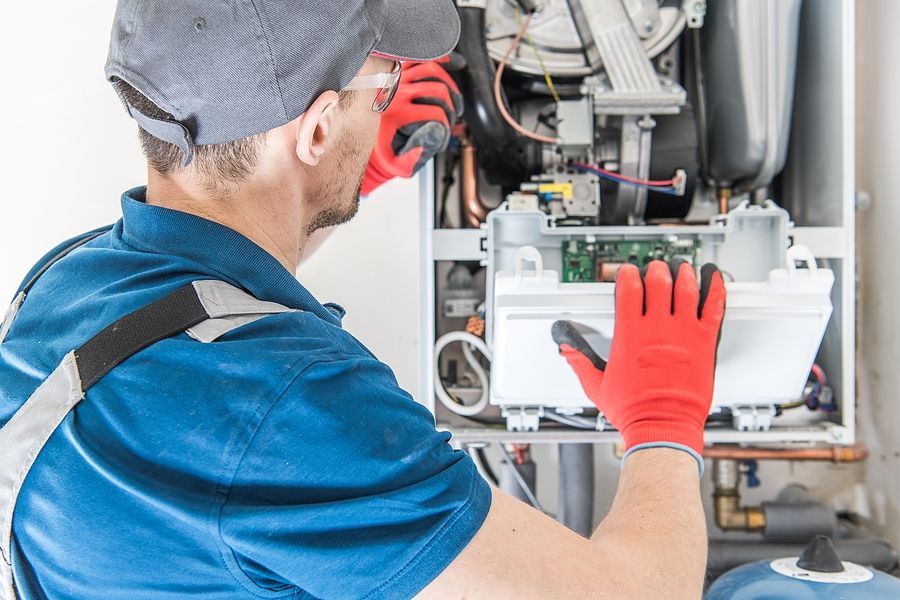
Start by checking the area around the furnace. Remove stored items, paper, or anything that could block airflow. Make sure the furnace panel is closed, then set the thermostat to Heat and raise the setting about five degrees above the room temperature.
You should hear the system begin its normal start-up sequence. Depending on the equipment, the blower may wait briefly before warm air reaches the vents. Let the furnace run for about 15 minutes, then walk through your home and check the airflow. If the system won't start or shuts down repeatedly, stop the test and arrange furnace service rather than resetting it over and over.
Before testing the furnace, make sure your carbon monoxide alarms are working and have fresh batteries. If an alarm sounds, leave the home and follow the alarm manufacturer's safety instructions. Don't keep running the furnace to see whether the warning goes away.
Furnace Warning Signs to Watch For
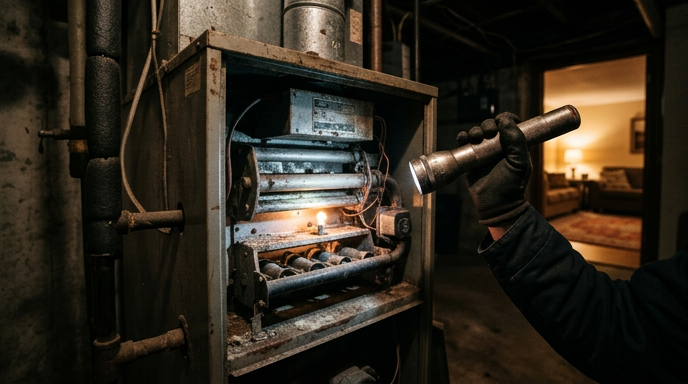
A light dusty smell can happen during the first heating cycle because dust has settled on warm parts. That smell should fade fairly quickly. A strong fuel odor, electrical smell, or smoke needs prompt attention, so turn the system off and contact a qualified HVAC professional.
Listen for banging, grinding, scraping, or a blower that sounds much louder than you remember. Notice whether the furnace starts and stops every few minutes. Short cycling can point to several possible problems, including restricted airflow or a control issue, and a technician should diagnose the cause instead of relying on a guess.
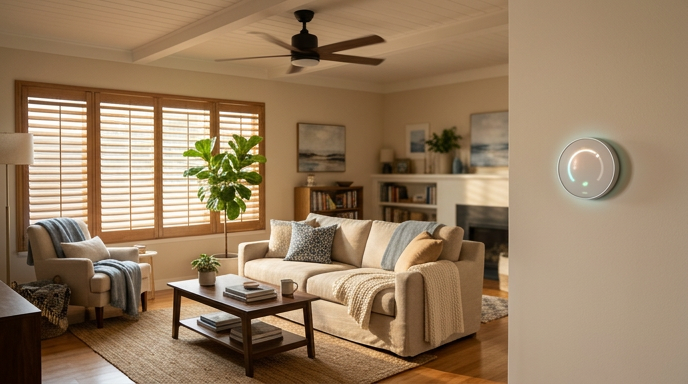
Watch the thermostat as well. If the room temperature doesn't rise after the furnace has had time to run, the problem could involve the heating equipment, ductwork, or thermostat. Sharing the timing and symptoms with the technician can make the service visit more useful.
How to Check Furnace Airflow Throughout Your Home
Walk from room to room while the furnace is running. Hold your hand near each supply vent and compare the strength and temperature of the air. First, make sure each register is open. If one room still has weak airflow, the cause could be a loose duct, blockage, or airflow balance problem.
Make sure rugs and furniture aren't covering return grilles or supply vents. Replace a dirty filter with the size and type recommended for your system. These basic fall HVAC prep steps support airflow, but they won't correct damaged ductwork or a failing blower.
Uneven heat matters because your furnace may run longer while the thermostat waits for one part of the house to warm up. Note which rooms feel different so you can give the technician a clear starting point.
When to Repair or Replace Your Furnace
Finding one repairable problem doesn't mean you need a new furnace. A technician can explain what failed, what the repair should correct, and whether the rest of the system appears dependable. For a newer furnace with a clear, limited issue, repair may be the practical choice.
Replacement deserves a closer look when an older furnace has major damage, repeated breakdowns, or safety concerns. Comparing furnace repair and replacement should include the system's age, repair history, comfort performance, and likely future costs.
If replacement is recommended, ask how the conclusion was reached and what testing supports it. A properly sized furnace replacement should be based on your home and heating needs rather than the size of the old unit alone.
Schedule Furnace Service Before the First Cold Snap
Testing your furnace in October can show whether it is ready for cooler nights while there is still time to act before Sonoma and Marin service schedules fill up. If the test uncovers a real problem, our team at Next Level HVAC can explain whether a repair is likely to solve it or whether replacement deserves a closer look based on the system's age, condition, and repair history.
If your furnace doesn't start cleanly or your test reveals uneven heat, use the service request form to schedule an inspection with Next Level HVAC before the first cold snap makes appointments harder to get.
Share
More Posts That Might Interest You