Closed Vents: Saving Money or Causing HVAC Problems?
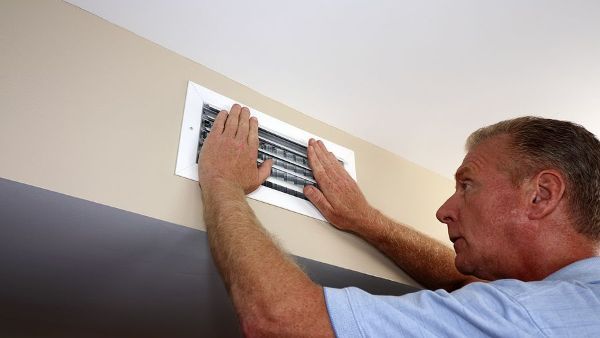
Should You Close Vents in Unused Rooms?
Many homeowners in Sonoma County are looking for ways to make their homes more energy-efficient and save on utility costs. You might think that closing vents in unused rooms is a smart move, but is it really? Before you decide, it's important to understand how your HVAC system works and what professionals recommend. Let’s explore whether this popular method is beneficial or if it might actually cause harm to your system and home.
How Your HVAC System Functions
Your HVAC system is designed to heat or cool your entire home based on your thermostat setting. When you close vents in unused rooms, you might assume you're saving energy, but the reality is that your HVAC system still generates the same amount of air. This excess air has nowhere to go, causing an imbalance in air pressure, which can lead to several unintended issues.
Closed vents don’t stop the HVAC system from working; they merely restrict airflow to specific areas. This restricted airflow increases the pressure in your ductwork, which can lead to leaks or even damage to your HVAC components. The increased pressure forces your system to work harder, reducing its efficiency over time and potentially shortening its lifespan.
Why Closing Vents Might Cause Damage
Closing vents in unused rooms can have some unintended consequences, particularly in locations such as Sonoma County, where the climate can fluctuate between hot, dry summers and cool, damp winters. Here’s why this practice may not be the best idea:
- Duct Leaks: When vents are closed, pressure builds up in the duct system. This excess pressure can lead to tiny gaps or existing leaks becoming worse, which results in conditioned air escaping into attics or crawl spaces.
- HVAC Strain: Increased pressure can cause your HVAC system to strain, as it works harder to push air through your ductwork. This extra effort often results in higher energy bills and an increased risk of breakdowns.
- Hot and Cold Spots: You need a well-regulated system to keep your home comfortable. Closing vents may result in uneven temperatures throughout the house, with some rooms feeling too cold in winter or too warm in summer.
- Decreased Energy Efficiency: Contrary to what you might think, closing vents actually leads to a decrease in energy efficiency. Your HVAC system is designed to maintain consistent airflow, and when that flow is blocked, it leads to increased energy consumption.
The Role of an HVAC Contractor
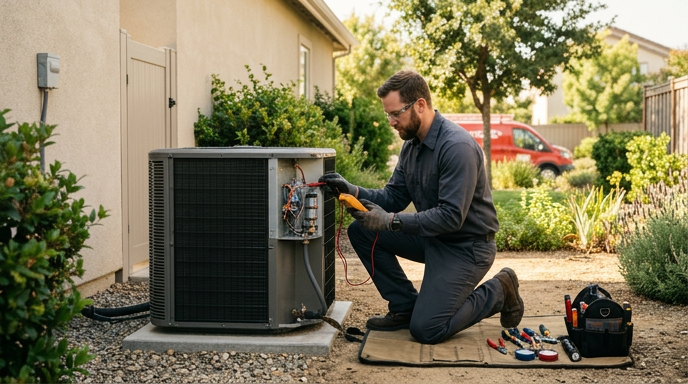
A local HVAC contractor in Sonoma County would likely recommend keeping all your vents open to maintain balanced airflow. The efficiency of your HVAC system depends on proper air circulation throughout your home. If your goal is to save on energy bills, there are better ways to achieve this.
One alternative to closing vents is installing a zoning system. With a zoning system, dampers are installed in your ductwork that can open or close to direct airflow to specific areas of the home. This allows you to control the temperature in different zones without overworking your system. Consulting an HVAC contractor can help you determine whether zoning is the right solution for your home.
Alternative Ways to Save Energy
If you want to reduce energy consumption without compromising your HVAC system, consider these tips instead of closing vents:
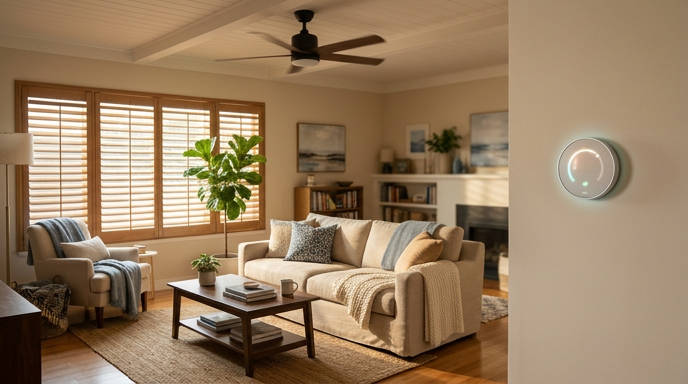
- Programmable Thermostat: A programmable or smart thermostat helps regulate your home's temperature based on your schedule, avoiding unnecessary energy use when you’re not home.
- Seal Ducts: Properly sealing ductwork can prevent air leaks, ensuring that conditioned air gets where it’s supposed to go.
- Regular Maintenance: Scheduling regular HVAC maintenance is crucial. It can keep your system running efficiently, identify issues early, and help you save money in the long run.
How Closing Vents Can Affect Indoor Air Quality
Another concern when closing vents is the impact on indoor air quality. Sonoma County homes often rely on consistent airflow to maintain good indoor air quality, particularly with the potential for pollen, dust, and mold.
Your HVAC system works to move air throughout your home to ensure that it remains clean and comfortable. By restricting airflow, closed vents can result in poor ventilation and stale air, which might make it uncomfortable for you and your family, particularly for anyone with allergies or asthma. This can happen because allergens and pollutants aren't properly circulated or filtered out, leading to poor indoor air quality.
Is Closing Vents Worth It?
Given the potential risks—including increased energy costs, the potential for damage, and reduced comfort—closing vents in unused rooms is not recommended. The best approach is to ensure that your HVAC system is properly maintained.
Keep Your HVAC System Running Smoothly
It's essential to understand that your HVAC system was designed for consistent, unobstructed airflow. Instead of closing vents, focus on proper HVAC maintenance, sealing leaks, and consulting a professional. If you’re concerned about your energy usage or need advice on optimizing your HVAC system, it's time to speak with an HVAC contractor. Contact us today to schedule a consultation and ensure that your HVAC system is running at its best, keeping your home comfortable all year round.
Share
More Posts That Might Interest You