7 Reasons Why Your Home Is Still Hot Even Though Your Air Conditioner Is Running

If the AC Is On, Why Is My House Still Hot?
Maybe this scenario sounds familiar: You've set your thermostat to 70 degrees, but the temperature output still reads 75. Wait — now it says it's 76 degrees in your Sonoma County home. It's hot, it's stuffy, and you're frustrated. Before you schedule an AC repair, consider these seven common reasons why your home's temperature isn't dropping.
1. Your home is drafty.
If your home has more holes than a bagel factory, your air conditioner can struggle to keep up with the amount of warm air that's sneaking in. Check for air leaks around windows, doors, and electrical outlets to locate any potential issues.
2. Your air ducts are leaking.
Just as a leaky window or door can undercut your AC's attempts to cool your home, leaky air ducts can also cancel out your air conditioner's efforts. If your air ducts are leaky, all that chilled air that's supposed to be carried into your home may be diverted to your attic instead.
3. Your AC unit is too small for your home.
If you want to avoid the need for AC repair, size matters. An air conditioner that's too small can't keep up with the amount of heat coming into your home. If you've recently screened in a porch or added on to your home, your AC may no longer be able to cut the mustard. A bad installation by a company that didn't run an accurate Manual J calculation may also be to blame.
4. Your vents are closed.
It's a myth that you should close the vents in rarely used rooms. Blocking your vents — whether intentionally or unintentionally — can make your air conditioner's blower work overtime in order to move the air the extra distance to whatever vents are open. The end result? Increased pressure in the duct system and a blower that runs longer at a lower speed, which means it takes longer to drop the temperature indoors.
5. The unit needs more refrigerant.
Your AC needs refrigerant to run. Usually, you shouldn't need to add any. Your air conditioner recirculates it. If you have a leak, however, you'll need to schedule AC service by trained professionals.
6. Your condenser is dirty.
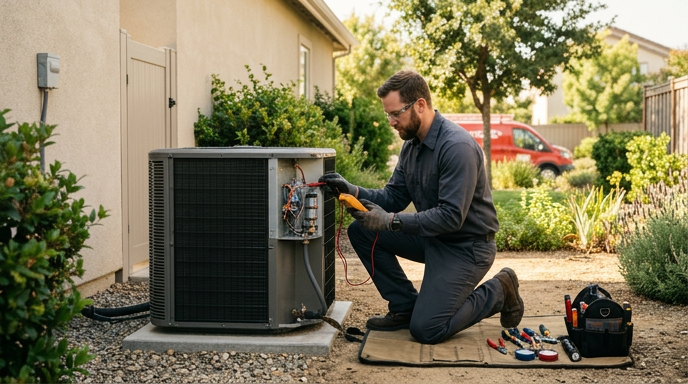
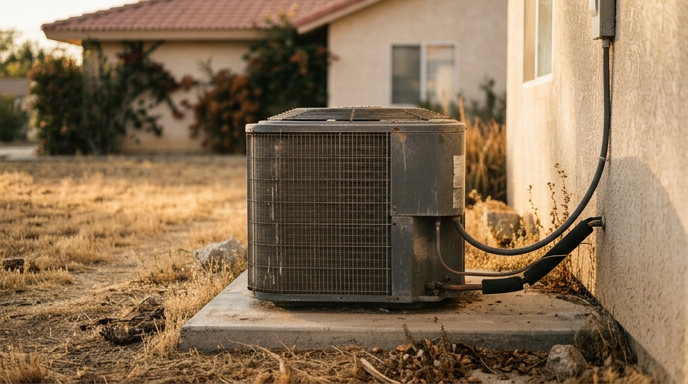
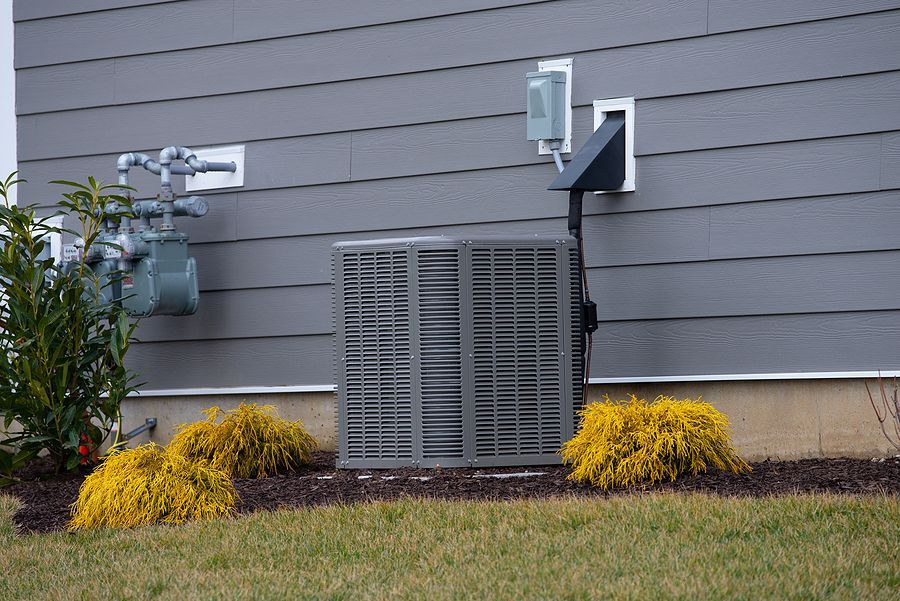
Located on your outside unit, your condenser disperses the heat from inside your house. Keep an eye out for dirt, plants, and other debris that may be impeding its function and forcing a need for AC repair. If the condenser's dirty, it can't do its job, and that means the rest of your air conditioning system can't either.
7. Your air filter is dirty.
It's imperative to change your filter regularly. When a filter reaches its saturation of dust, pet dander, and other pollutants, your AC unit has to work extra-hard to try to move air through it, if it can move air through it at all.
There are many reasons why your air conditioner isn't cooling your Marin County home. If quick fixes such as replacing the dirty air filter or opening the vents don't resolve the issue, see the difference that integrity makes when you contact Next Level HVAC to schedule your AC repair. We're licensed, bonded, insured, and Diamond Quality Certified, and we also have an A+ accreditation from the Better Business Bureau. Like us on Facebook, find us on LinkedIn, and subscribe to learn more about our history and the services we offer.
Share
More Posts That Might Interest You